
Blog
Salemalecum Meaning, Spelling, Origin, and Global Importance Explained

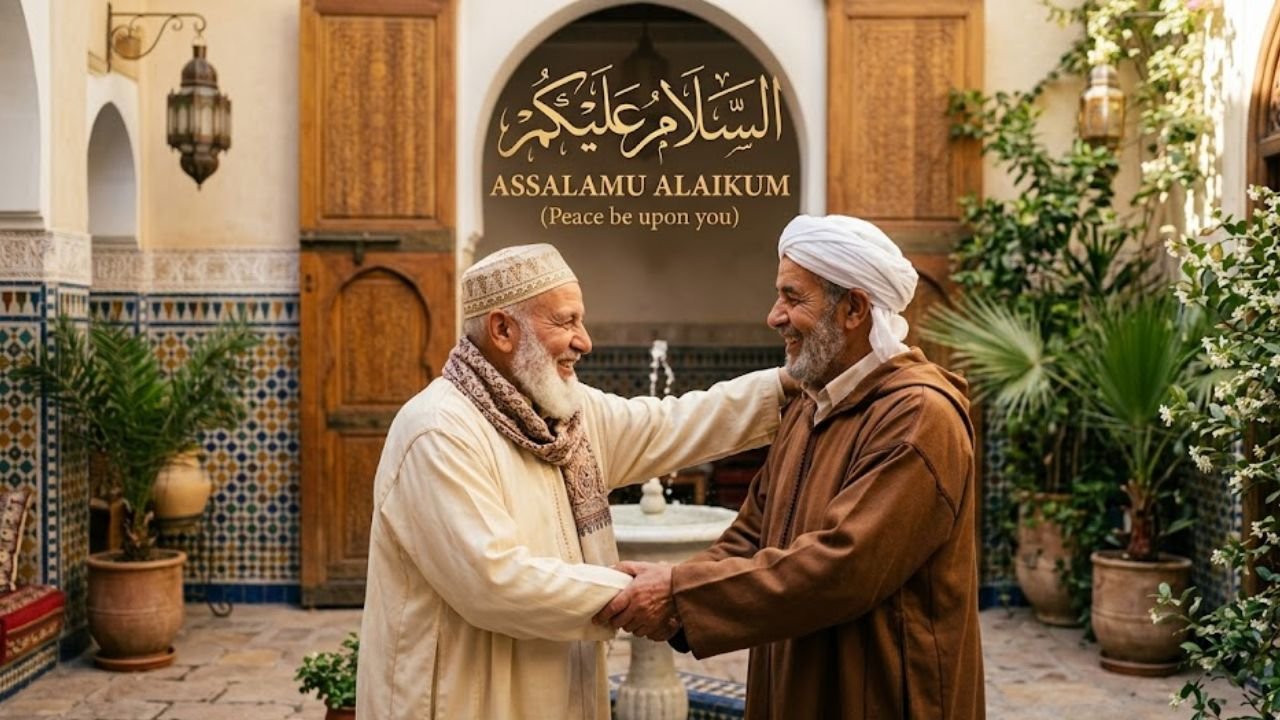
The word Salemalecum is often seen in casual writing, social media, and everyday conversation. Many people wonder whether it is correct or a spelling mistake. In reality, it is a phonetic variation of a much deeper and widely used Islamic greeting. This article explains the meaning, correct spelling, history, religious importance, and global impact of Salemalecum in a clear and easy way.
What Is Salemalecum?
Salemalecum is an informal or phonetic way of writing the Arabic greeting Assalamu Alaikum. The phrase comes from Arabic and is written as ٱلسَّلَامُ عَلَيْكُمْ. It means Peace be upon you.
This greeting is not just a simple hello. It is a sincere prayer and a wish for safety, protection, and peace for the person being addressed. It carries emotional, spiritual, and cultural value for millions of people across the world.
Is Salemalecum a Wrong Spelling?
Salemalecum is not completely wrong, but it is not the standard or most accurate spelling. The most accepted and correct transliteration is Assalamu Alaikum or As-salamu alaykum.
The reason different spellings exist is because Arabic uses a different writing system. When people write Arabic words in the Latin alphabet, they try to match the sound, which leads to variations like Salemalecum, Salam Aleikum, or Assalamalaykum.
Even though Salemalecum is widely understood, it is better to use Assalamu Alaikum in formal or religious contexts for accuracy and respect.
Meaning and Linguistic Roots
The phrase Assalamu Alaikum comes from three main parts. The word As or Al refers to the definite article meaning the. The word Salam means peace. The word Alaikum means upon you.
Together, the phrase means Peace be upon you.
The word Salam is also linked to As-Salam, which is one of the 99 Names of Allah. It means the Source of Peace or the Giver of Peace. This shows that the greeting has a strong spiritual connection in Islamic belief.
Historical Origins of the Greeting
The greeting has deep roots in Islamic tradition. According to Hadith, when Allah created Prophet Adam, He instructed him to greet the angels with the words Assalamu Alaikum. This established the greeting as a practice for all of humanity.
Later, Prophet Muhammad emphasized the importance of spreading Salam among people. He described it as a key to building love, unity, and harmony in society. He also taught that it is a right of one Muslim over another.
The greeting is also mentioned in the Quran. In Surah An-Nur 24:61, believers are instructed to greet one another with a blessed and pure greeting from Allah when entering homes.
Spiritual Significance in Islam
Assalamu Alaikum is more than a greeting. It is considered a dua, which means a prayer. When someone says it, they are asking Allah to grant peace, protection, and safety to the other person.
It is also described as a covenant of safety. This means that by saying the greeting, the speaker is promising that no harm will come from them.
Islamic teachings also explain that initiating the greeting is Sunnah, which means it is highly recommended. Responding to it is considered obligatory or Fard. The correct response is Walaikum Assalam, which means And upon you be peace.
Reward System in Islamic Tradition
The greeting also carries spiritual rewards. According to Islamic tradition, saying the full greeting brings greater rewards.
When a person says Assalamu Alaikum, they receive ten rewards. When they add wa rahmatullah, meaning and the mercy of Allah, the reward increases to twenty. When they complete it with wa barakatuh, meaning and His blessings, the reward reaches thirty.
This system encourages people to use the full and complete greeting whenever possible.
Global Usage and Cultural Importance
The greeting is used by over a billion people worldwide. It is common in regions such as the Middle East, South Asia, West Africa, Indonesia, Turkey, and many other parts of the world.
Different cultures have slightly different ways of pronouncing or writing the greeting. In Senegal, it may sound like a-sala maleykum. In Indonesia, it is often shortened to samlekom in casual speech. In Turkey, people say selamun aleykum. In Iran and Tajikistan, many people simply say salam.
Even though the pronunciation changes, the meaning and intention remain the same.
The greeting is also used by some Arab Christians, which shows its broader cultural and linguistic roots.
Connection with Other Semitic Languages
The phrase Assalamu Alaikum shares roots with other ancient Semitic languages. In Hebrew, a similar greeting is Shalom Aleichem, which also means peace be upon you. In Aramaic, it appears as Šlāmā ʿalḵōn.
These similarities show that the idea of greeting others with peace has existed for thousands of years across different cultures and religions.
Etiquette and Manners of Greeting
Islamic teachings provide clear guidelines on how and when to use the greeting. These rules are part of good manners and respect.
The person arriving should greet those who are already present. The person walking should greet the one who is sitting. The younger person should greet the elder. A smaller group should greet a larger group.
These simple rules help build humility, respect, and strong social relationships.
Social and Psychological Benefits
The greeting has many positive effects on individuals and communities. It helps create a sense of belonging and connection between people.
When someone hears a greeting of peace, it can reduce stress and create a positive feeling. It encourages kindness, trust, and emotional warmth.
In many cultures, the greeting is combined with a handshake or placing a hand on the heart. This adds a physical expression of respect and sincerity.
Modern Relevance in 2024 to 2026
In recent years, the greeting has taken on new roles in modern life. In professional settings, especially in Muslim-majority regions, it is often used in emails and formal communication as a respectful opening.
On social media platforms like Instagram and YouTube, the greeting remains an important part of identity and cultural expression. It helps people stay connected to their roots even in a digital world.
Modern studies also link the greeting to concepts like mindfulness and emotional well-being. It is seen as a simple practice that promotes calmness, intention, and positive thinking.
Salemalecum as a Symbol of Peace and Unity
Today, Salemalecum or Assalamu Alaikum is more than just a greeting. It is a symbol of unity, peace, and shared human values.
It is often used in global events and cultural gatherings to promote harmony and understanding between different communities. It serves as a reminder that peace is a universal message that connects people across languages and cultures.
Conclusion
Salemalecum may not be the most accurate spelling, but it represents one of the most meaningful greetings in the world. The correct form, Assalamu Alaikum, carries deep spiritual, historical, and cultural significance.
It is a greeting that offers peace, builds relationships, and reflects values of kindness and respect. Whether used in daily conversation, religious practice, or modern communication, its message remains timeless.
FAQs
What does Salemalecum mean?
Salemalecum means Peace be upon you. It is a phonetic variation of the Arabic greeting Assalamu Alaikum.
Is Salemalecum correct spelling?
Salemalecum is not the standard spelling. The correct and widely accepted form is Assalamu Alaikum.
What is the proper response to Salemalecum?
The correct response is Walaikum Assalam, which means And upon you be peace.
Why is Assalamu Alaikum important in Islam?
It is important because it is a prayer for peace, a Sunnah practice, and a way to build love and unity among people.
Can non Muslims say Assalamu Alaikum?
Yes, the greeting can be used by anyone as a sign of respect and peace, especially in intercultural and social contexts.


Modern dating culture and lifestyle media are filled with unique terms and metaphors to describe various aspects of romance, intimacy, and affection. From casual dating trends to sensory kissing styles, learning these terms helps readers better navigate romantic literature, relationship blogs, and online discussions.
One expression that frequently piques curiosity in romantic terminology guides is the snowball kiss.
What Does a Snowball Kiss Entail?
In lifestyle discussions and romance concepts, the term snowball kiss is used to describe a romantic exchange characterized by momentum, temperature contrast, or playful sharing between partners.
Here are the main ways the term is interpreted in modern romance guides:
1. The Building Momentum Concept
Just as a snowball grows larger and faster as it rolls down a hill, this style of kiss starts very soft, slow, and delicate, gradually building up into an intense, deeply passionate moment.
2. Temperature Contrast Play
In sensory romance context, it refers to incorporating cold elements—such as a chip of ice or cold beverage—passed gently during a warm kiss to create an invigorating sensory contrast.
3. Spontaneous & Playful Connection
It symbolizes a lighthearted, playful intimate gesture meant to break routine and bring a moment of fun, shared laughter into a relationship.
The Role of Playful Gestures in Relationships
Incorporating novel, playful gestures into a relationship offers several emotional benefits:
- Breaks Monotony: Trying playful or creative kissing techniques keeps romantic routines fresh and exciting.
- Enhances Connection: Lighthearted sensory experiences encourage partners to focus fully on the present moment together.
- Encourages Open Communication: Exploring fun dating terms together can make discussing romantic preferences easier and more comfortable.
To explore full context explanations, cultural references, and practical romantic insights, check out this detailed guide explaining what a Snowball Kiss Mean in today’s lifestyle vocabulary.
Conclusion
Understanding romantic jargon and expressive terminology adds depth to how we discuss human connection. Whether you come across it in modern romance fiction or lifestyle articles, the concept of a snowball kiss highlights the importance of creativity, warmth, and playfulness in romantic relationships!

As global communication and digital culture bring people closer, picking up words and slang from different languages has become second nature. Spanish is one of the most widely spoken languages in the world, and its everyday vocabulary is rich with cultural nuances, affectionate terms, and casual slang.
One word that frequently appears in Spanish movies, songs, social media captions, and casual conversations is Viejo (or its feminine form, Vieja). While its direct translation is simple, its actual meaning often changes depending on who is speaking and how it is used.
The Literal Translation vs. Cultural Meaning
At its core, Viejo is a Spanish adjective that literally translates to “old” in English. It can be used to describe non-living objects, such as an old car (un carro viejo) or an old building (un edificio viejo).
However, when applied to people or used in daily conversations, Viejo takes on a variety of cultural meanings:
1. A Term of Endearment for Fathers or Husbands
In many Latin American countries, it is extremely common for people to refer to their father warmly as “mi viejo” (my old man). Similarly, spouses might affectionately call each other “viejo” or “vieja” in casual home settings.
2. Calling a Close Friend (“Che Viejo” / “Oye Viejo”)
In informal settings—especially among close male friends—viejo is often used like “buddy,” “pal,” or “mate.” It signifies closeness and familiarity rather than actual age.
3. Literal Age Description
When used in a formal context without possessive pronouns, viejo simply describes someone or something of advanced age.
Why Context and Tone Matter in Spanish Slang
Because Spanish relies heavily on tone, relationship dynamics, and regional dialects, using words like Viejo requires an understanding of context:
- Warm Tone: Used with family or close friends, it signals affection, respect, and deep familiarity.
- Formal Settings: Calling a stranger or an authority figure viejo can come across as overly casual or impolite.
- Regional Variations: Countries like Argentina, Mexico, and Colombia all use the term with slightly different stylistic nuances in daily banter.
To learn more about regional variations, sentence examples, and how the meaning shifts across different Spanish-speaking regions, read this full breakdown explaining what Viejo Mean in modern Spanish culture.
Final Thoughts
Learning the subtle meanings behind common Spanish words makes cross-cultural communication much richer. Whether you hear it in popular music, watch it in a TV show, or hear it among friends, understanding Viejo helps you appreciate the warmth and depth of everyday Spanish dialogue!


The world of celebrity investing has evolved significantly over the years. While luxury cars, startups, and entertainment ventures continue to attract attention, many celebrities are increasingly turning to rental properties as a reliable source of long-term wealth. Real estate has long been recognized as one of the most stable investment vehicles, offering opportunities for passive income, portfolio diversification, and asset appreciation.
Unlike industries that may fluctuate with market trends, rental properties provide a tangible asset that can generate recurring income while increasing in value over time. For celebrities seeking financial security beyond their entertainment careers, real estate has become an attractive option.
The Appeal of Rental Property Investments
One of the primary reasons celebrities invest in rental properties is the opportunity to create consistent cash flow. Whether they own single-family homes, luxury apartments, or multi-unit developments, rental income can provide a steady revenue stream regardless of industry conditions.
Many high-profile investors understand that successful wealth preservation requires diversification. Rental properties offer protection against market volatility while providing long-term growth potential. As a result, real estate often becomes a cornerstone of a celebrity’s investment portfolio.
In addition to generating income, rental properties can offer tax advantages, equity growth, and opportunities for strategic expansion over time.
Real Estate Offers Long-Term Wealth Building
Property values historically appreciate over the long term, making real estate an effective wealth-building strategy. Celebrities and other investors often acquire properties in growing markets where demand remains strong.
As rental income helps cover mortgage expenses and operating costs, property owners can gradually build equity while benefiting from potential appreciation. This combination of income generation and asset growth makes rental properties attractive for investors focused on long-term financial goals.
The Importance of Professional Property Management
Owning rental properties can be rewarding, but it also comes with responsibilities. From maintenance coordination to tenant communication and lease administration, managing rental properties requires time and expertise.
Professional Property Management services help property owners streamline daily operations while maintaining positive tenant relationships. Experienced property managers oversee essential tasks such as rent collection, maintenance scheduling, lease enforcement, and financial reporting.
For celebrities with demanding schedules and multiple investments, professional management provides peace of mind and allows them to focus on other priorities while ensuring their properties remain profitable and well-maintained.
Why Tenant Screening Matters
A successful rental investment often depends on the quality of the tenants occupying the property. This is why tenant screening remains one of the most important aspects of rental property ownership.
Proper tenant screening helps landlords identify qualified applicants who demonstrate financial responsibility, stable income, and a positive rental history. By evaluating prospective tenants before lease approval, property owners can reduce the likelihood of payment issues, lease violations, and property damage.
Investors who prioritize tenant screening often experience fewer disputes and greater long-term stability within their rental portfolios.
The Value of Professional Tenant Screening Services
As rental portfolios grow, many investors choose to work with professional tenant screening services to improve consistency and accuracy during the application process.
These services typically verify employment, review credit history, conduct background checks, and assess rental references. The goal is to provide property owners with reliable information that supports informed leasing decisions.
For celebrities and large-scale investors managing multiple properties, professional tenant screening services can save time while helping minimize potential risks.
Understanding the Tenant Application Screening Process
A thorough tenant application screening process goes beyond reviewing a completed application form. Property owners and managers often evaluate several factors before approving an applicant.
Common components include:
- Employment verification
- Income verification
- Credit history review
- Rental history evaluation
- Reference checks
- Background screening
Comprehensive tenant application screening helps ensure that prospective renters meet the property’s requirements and can fulfill their lease obligations.
Rental Tenant Screening Helps Protect Investments
Rental tenant screening serves as a proactive risk-management strategy for property owners. Identifying reliable tenants before move-in can significantly reduce costly issues that may arise later.
The screening process for tenants provides valuable insights into an applicant’s financial behavior, rental history, and overall suitability. By making data-driven decisions, investors can improve occupancy quality and protect the long-term performance of their rental assets.
For celebrities managing valuable real estate holdings, effective rental tenant screening is often considered an essential part of preserving both property value and investment returns.
The Future of Celebrity Real Estate Investing
As more celebrities seek stable and scalable investment opportunities, rental properties are expected to remain a popular choice. Real estate offers a unique combination of income generation, asset appreciation, and long-term financial security that few other investments can match.
However, success in rental property ownership requires more than simply acquiring properties. Strategic Property Management, effective tenant screening, and sound operational practices all play critical roles in maximizing returns and minimizing risk.
By approaching real estate with a long-term perspective and leveraging professional expertise when needed, celebrities can continue building sustainable wealth through rental property investments.
Conclusion
The growing interest in rental properties among celebrities reflects a broader understanding of the value of real estate investing. Rental income, portfolio diversification, and long-term appreciation make real estate an attractive option for investors seeking financial stability.
At the same time, successful rental property ownership depends on strong management practices. Professional Property Management solutions, comprehensive tenant screening, and reliable tenant screening services help property owners protect their investments while creating positive experiences for tenants.
As celebrity investors continue expanding their real estate portfolios, these best practices will remain key drivers of long-term success.

Romantic Terminology Explained: Decoding the Snowball Kiss

Understanding Spanish Terms: What Does Viejo Mean in Daily Conversation?

Do Breitling Watches Need a Watch Winder? A Complete Owner’s Guide

Who is Cuppy Enders? The Untold Story of Tommy Shaw’s First Wife

Who Is Sylvia Dale? Learn About The Wife of Johnnie Cochran

Scalable Industrial Solutions with Smart Design Systems & Financial Precision
-
Celebrity9 months ago
Who is Cuppy Enders? The Untold Story of Tommy Shaw’s First Wife
-
Celebrity10 months ago
Who Is Sylvia Dale? Learn About The Wife of Johnnie Cochran
-
 Business6 months ago
Scalable Industrial Solutions with Smart Design Systems & Financial Precision
-
 Celebrity1 year ago
Who Is Yeonmi Park’s Husband? Ex-Husband Ezekiel, Marriage, Divorce & Family Facts and More
-
 Celebrity1 year ago
Happy Dad Net Worth: Owners, Revenue & Brand Value
-
 Celebrity1 year ago
Will Sonbuchner Wife: Inside Sonny Side’s Love Life & Private Marriage
-
 Celebrity9 months ago
Meet Max Muñiz: The Son of Jennifer Lopez and Marc Anthony
-
 Technology7 months ago
How System Maintenance Tools Improve Computer Performance and Security