
Blog
What Is Cellulogia? The Complete Science-Backed Guide to Modern Cellulite Therapy


Cellulogia is a modern and science-based method used to smooth the skin and reduce the look of cellulite. It is gentle, non-surgical, and uses smart mechanical movements to help the skin work better from the inside. People love Cellulogia because it feels natural and relaxing, yet it creates real changes in the skin. Instead of cutting or using strong heat, it uses smart rolling and suction to wake up the deeper layers of the skin.
What makes Cellulogia interesting is its surprising history. It did not start as a beauty treatment at all. It began in medical care, where doctors used it to help patients with burn scars. While treating these patients, they noticed something unexpected — the skin in those treated areas became smoother, softer, and less uneven. This discovery opened the door to a new kind of aesthetic treatment. Today, Cellulogia is used in clinics all over the world because it blends wellness, science, and beauty in a simple and safe way.
The Scientific Foundation
One of the most important things to know about Cellulogia is that it works through a process called mechanotransduction. This is a big word, but the idea is very easy: when the skin is pulled, stretched, or pressed in the right way, the skin cells “wake up” and start to repair themselves. Think of it like giving your skin a gentle workout. Just as your muscles react to exercise, your skin reacts to mechanical touch.
Even the National Institutes of Health (NIH) highlights how these mechanical signals help the skin improve faster than normal. When Cellulogia rollers move on the skin, tiny sensors called integrins send messages inside the cell. These messages reach the nucleus — the “control center” — and tell the cell to make more collagen, elastin, and hyaluronic acid. These elements are what make the skin firm, elastic, and hydrated. This is why people often say their skin feels more alive after treatment.
Another benefit is the quick change in blood flow. Areas with cellulite often feel cold because they have poor oxygen levels. Cellulogia brings warmth back to those areas by improving circulation. When oxygen returns, the skin becomes healthier, clearer, and smoother. It truly feels like the skin is taking a deep breath again.
The Innovators Behind Cellulogia
Cellulogia exists today because of a few key pioneers who believed that the skin could heal and improve through touch and movement. The first was Louis-Paul Guitay, a French engineer who suffered serious burn injuries in the late 1970s. He wanted a machine that could gently massage his scars every day, without depending on manual therapy. His idea led to the first mechanical vacuum massage system — and later, the birth of Endermologie, one of the most well-known forms of Cellulogia.
Later, experts like Dr. Howard Murad helped shape the wellness philosophy behind this approach. He introduced the idea of “inclusive health,” which means caring for the inside and the outside of the body together. According to him, good skin needs hydration, balanced living, and treatments that support the skin naturally — all things that Cellulogia already follows.
Another key figure is Dr. Lionel Bissoon, known for bringing Mesotherapy to the United States. Even though Mesotherapy is different, it is often paired with Cellulogia because it prepares the tissue by softening fat deposits before mechanical treatment. Together, these pioneers helped build the foundation of what we now call modern Cellulogia.
Key Devices and Leading Manufacturers That Make Cellulogia Possible
Cellulogia is not just one device. It is a family of technologies created by some of the top manufacturers in the skincare field. Each brand uses its own special methods, but all of them follow the same core principle: mechanical stimulation that helps the skin repair itself.
The most famous company in this space is LPG Systems from France. They created the original Endermologie technology, which uses motorized rollers and smooth vacuum movements. Their devices are FDA-cleared, which means they meet high safety standards.
Another major brand is Syneron Candela, known for the popular VelaShape series. Their devices mix mechanical suction with radiofrequency (RF) and infrared light. This combination warms the tissue and makes the mechanical action even more effective.
BTL Industries also plays a big role with EmTone, a device that mixes thermal energy with acoustic pressure waves. This pairing helps target several causes of cellulite at the same time. Meanwhile, Zimmer MedizinSysteme created ZWave, which uses strong radial shockwaves to enhance the results of mechanical massage.
Newer platforms like Bionexis and Cellution are taking things even further by blending rollers, vibration waves, RF energy, and infrared light into one system. These next-generation devices show how fast Cellulogia is evolving, and how technology continues to improve the experience and results for users.
A Simple and Clear Breakdown of the Process
The process behind Cellulogia might look complex at first, but it follows a very simple and natural idea. The device gently lifts the skin using vacuum suction. This creates a small wave-like shape in the tissue. Two rollers then move over this lifted area and stretch it in different directions. It feels like a deep but comfortable massage.
This movement reaches deep into the skin — into the dermis, fascia, and the top layer of fat where cellulite forms. The stretching helps loosen the stiff fibrous bands that pull the skin downward and create dimples. When these bands soften, the skin looks smoother and more even.
Cellulogia also puts soft pressure on fat cells. This does not destroy them, but it encourages them to shrink and release trapped fluids. The body then naturally flushes these fluids through the lymphatic system. This is why many people feel lighter after a session.
Another big benefit is the rise in blood flow. In areas with cellulite, the skin often has low oxygen and feels cooler. Cellulogia warms up the area by improving circulation. When the tissue wakes up and becomes more active, the overall skin texture improves.
Comparing Cellulogia to Endermologie, Acoustic Subcision, and Other Methods
People often wonder whether Cellulogia is the same as Endermologie. The answer is yes and no. Endermologie is a version of Cellulogia, but it is a branded, FDA-cleared version created by LPG Systems. Cellulogia is the broader category that includes all similar mechanical treatments. Think of Endermologie as the “official” version and Cellulogia as the general family of methods.
There are also more intense treatments like Acoustic Subcision using Resonic, which targets the fibrous bands directly with high-frequency sound waves. These treatments work fast and are great for very deep dimples that are hard to fix with gentle methods.
The strongest options are Cellfina and Avéli, which are small surgical procedures. Doctors use these tools to physically cut the tight fibrous bands under the skin. These treatments offer long-lasting results but involve needles, downtime, and medical care.
On the other hand, at-home tools like dry brushing and gua sha offer mild benefits. They help with lymphatic drainage but do not reach deep layers like Cellulogia does.
This is why Cellulogia is often called the “middle ground.” It is stronger than at-home care but gentler and safer than surgery.
What People Notice After Treatment
One of the reasons Cellulogia is so popular is that it gives multiple benefits at the same time. The most obvious one is the reduction of cellulite. The skin surface becomes smoother, softer, and less bumpy. This happens because the rollers loosen the fibrous bands and help the fat layer spread more evenly.
Another major benefit is body contouring. By removing extra fluid and improving fat metabolism, Cellulogia can help reduce the size of areas like the thighs, hips, and abdomen. The change is natural, but noticeable.
Cellulogia also strengthens the skin. When the fibroblasts become active, they make more collagen and elastin — the two proteins responsible for firm, youthful skin. Many people say their skin feels tighter even before they see visible changes.
Doctors also use Cellulogia after liposuction. It helps smooth out irregular areas and reduces swelling. This makes recovery easier and gives better results.
Treatment Protocol, Candidacy, and Safety Guidelines
If you are thinking about trying Cellulogia, it helps to know what a normal treatment plan looks like. Most people start with a series of 10 to 15 sessions. These sessions are usually done two or three times a week, because the results build slowly, step by step. Each session feels like a deep massage with gentle suction. You simply relax while the device does the work. Many people say the treatment feels warm, soothing, and even calming.
After the first course of sessions, you move to a simple maintenance plan. This usually means one session every month to keep the skin firm, smooth, and active. Like going to the gym, Cellulogia works best when you stay consistent. If you skip treatments for long periods, the skin may slowly return to its old state.
Most people can safely enjoy Cellulogia, but some should avoid it. For example, people with active infections, severe heart issues, or strong varicose veins should not use this method. It is also not recommended during pregnancy. The good thing is that the treatment has very mild side effects. You may see a little redness or feel slight tenderness after a session, but this goes away quickly. The experience is safe, gentle, and designed for comfort.
Latest Innovations
Cellulogia today is very different from the early versions. Technology has improved in exciting ways. One of the biggest changes is the rise of AI-guided systems. These smart devices scan the skin in real time and adjust the suction and roller speed for better results. It feels a bit like having a personalized skin coach built into the machine. The device only uses the level of power your skin needs, which makes each session safer and more effective.
Another major trend is the use of hybrid energy devices. These new platforms, like Bionexis and Cellution, combine mechanical rolling with radiofrequency, infrared light, or vibration waves. When these energies work together, they can break down fat, warm the tissue, and tighten the skin all at the same time. This makes each session more powerful and time-efficient.
Clinics now also pair Cellulogia with regenerative treatments like Sculptra or exosome therapy. These treatments add strength to the deeper layers of the skin. When combined with Cellulogia, the results can look smoother, firmer, and longer-lasting. This blend of mechanical and regenerative care is becoming the new standard in modern aesthetics.
Pros and Cons of Cellulogia
Like all treatments, Cellulogia has both strengths and limits. One of the biggest benefits is that it is non-invasive. There are no needles, no cuts, and no recovery time. You can walk into a clinic, have your session, and go right back to your day. Another good point is that it offers more than just cosmetic changes. Many people notice reduced swelling, lighter legs, and relief from tight or sore muscles.
However, it is important to have realistic expectations. Cellulogia gives beautiful results, but they are not permanent. Most people enjoy the results for six to twelve months, as long as they maintain their sessions. Cellulogia is also not the best choice for very deep or hard cellulite. In those cases, surgical options like Avéli or Cellfina work better because they cut the tight bands directly.
Another thing to consider is the commitment. To see good results, you need a series of sessions, and then regular touch-ups. Think of it like skincare or fitness — the more consistent you are, the better and longer your results will be.
Lifestyle Integration
Cellulogia works best when you support it with simple daily habits. One helpful tool is dry brushing. With gentle strokes, it helps move lymphatic fluid and keeps the skin active between treatments. Tools like the popular lymphatic brushes by Cecily Braden can also give your skin a soft daily boost.
Another helpful habit is staying hydrated. Water keeps the skin full and flexible, which makes Cellulogia work even better. Eating anti-inflammatory foods, like leafy greens and berries, also helps reduce bloating and fluid retention. Even light movement each day, such as stretching or walking, improves blood flow and supports your results.
Small changes like these make a big difference. By caring for your skin daily, you help Cellulogia shape, smooth, and refresh your body more effectively.
Final Thoughts
Cellulogia has grown into one of the most trusted and loved methods for improving cellulite and overall skin quality. It offers a gentle, natural way to help the skin work better from within. With its smart blend of science, mechanical movement, and wellness principles, it gives people a smoother and more confident look without surgery.
The treatment is safe, relaxing, and supported by decades of research and innovation. It fits perfectly for people who want a non-invasive approach while still seeing real improvements. Even though results require consistency, the process feels rewarding because you can feel your skin becoming more alive and healthy.
In 2026 and beyond, Cellulogia continues to stand out as a modern, holistic, and effective path to smoother skin, better circulation, and a more sculpted shape. It is gentle, science-driven, and forward-thinking — a simple method that helps you look and feel your best.
FAQs
1. What is Cellulogia?
Cellulogia is a gentle, non-surgical treatment that uses suction and rollers to smooth the skin, reduce cellulite, and improve circulation.
2. Does Cellulogia hurt?
No, Cellulogia is not painful. Most people say it feels like a deep, relaxing massage with a warm and comfortable pulling sensation.
3. How many Cellulogia sessions do I need?
Most people need 10 to 15 sessions to see strong results. Treatments are usually done two or three times a week.
4. How long do the results of Cellulogia last?
Results can last six to twelve months. Monthly maintenance sessions help keep the skin smooth and firm.
5. Is Cellulogia safe for everyone?
Cellulogia is safe for most people, but it is not recommended for those with infections, severe heart issues, varicose veins, or during pregnancy.
6. Can Cellulogia remove cellulite completely?
It can soften and smooth the look of cellulite, but it does not permanently remove it. It works best for mild to moderate cellulite.
7. How soon will I see results?
Some people feel lighter and smoother after the first few sessions. Visible changes usually appear after 4 to 6 sessions.
8. What should I do to get better results from Cellulogia?
Stay hydrated, eat healthy foods, move your body daily, and use simple tools like dry brushes to keep the skin active between treatments.


The world of celebrity investing has evolved significantly over the years. While luxury cars, startups, and entertainment ventures continue to attract attention, many celebrities are increasingly turning to rental properties as a reliable source of long-term wealth. Real estate has long been recognized as one of the most stable investment vehicles, offering opportunities for passive income, portfolio diversification, and asset appreciation.
Unlike industries that may fluctuate with market trends, rental properties provide a tangible asset that can generate recurring income while increasing in value over time. For celebrities seeking financial security beyond their entertainment careers, real estate has become an attractive option.
The Appeal of Rental Property Investments
One of the primary reasons celebrities invest in rental properties is the opportunity to create consistent cash flow. Whether they own single-family homes, luxury apartments, or multi-unit developments, rental income can provide a steady revenue stream regardless of industry conditions.
Many high-profile investors understand that successful wealth preservation requires diversification. Rental properties offer protection against market volatility while providing long-term growth potential. As a result, real estate often becomes a cornerstone of a celebrity’s investment portfolio.
In addition to generating income, rental properties can offer tax advantages, equity growth, and opportunities for strategic expansion over time.
Real Estate Offers Long-Term Wealth Building
Property values historically appreciate over the long term, making real estate an effective wealth-building strategy. Celebrities and other investors often acquire properties in growing markets where demand remains strong.
As rental income helps cover mortgage expenses and operating costs, property owners can gradually build equity while benefiting from potential appreciation. This combination of income generation and asset growth makes rental properties attractive for investors focused on long-term financial goals.
The Importance of Professional Property Management
Owning rental properties can be rewarding, but it also comes with responsibilities. From maintenance coordination to tenant communication and lease administration, managing rental properties requires time and expertise.
Professional Property Management services help property owners streamline daily operations while maintaining positive tenant relationships. Experienced property managers oversee essential tasks such as rent collection, maintenance scheduling, lease enforcement, and financial reporting.
For celebrities with demanding schedules and multiple investments, professional management provides peace of mind and allows them to focus on other priorities while ensuring their properties remain profitable and well-maintained.
Why Tenant Screening Matters
A successful rental investment often depends on the quality of the tenants occupying the property. This is why tenant screening remains one of the most important aspects of rental property ownership.
Proper tenant screening helps landlords identify qualified applicants who demonstrate financial responsibility, stable income, and a positive rental history. By evaluating prospective tenants before lease approval, property owners can reduce the likelihood of payment issues, lease violations, and property damage.
Investors who prioritize tenant screening often experience fewer disputes and greater long-term stability within their rental portfolios.
The Value of Professional Tenant Screening Services
As rental portfolios grow, many investors choose to work with professional tenant screening services to improve consistency and accuracy during the application process.
These services typically verify employment, review credit history, conduct background checks, and assess rental references. The goal is to provide property owners with reliable information that supports informed leasing decisions.
For celebrities and large-scale investors managing multiple properties, professional tenant screening services can save time while helping minimize potential risks.
Understanding the Tenant Application Screening Process
A thorough tenant application screening process goes beyond reviewing a completed application form. Property owners and managers often evaluate several factors before approving an applicant.
Common components include:
- Employment verification
- Income verification
- Credit history review
- Rental history evaluation
- Reference checks
- Background screening
Comprehensive tenant application screening helps ensure that prospective renters meet the property’s requirements and can fulfill their lease obligations.
Rental Tenant Screening Helps Protect Investments
Rental tenant screening serves as a proactive risk-management strategy for property owners. Identifying reliable tenants before move-in can significantly reduce costly issues that may arise later.
The screening process for tenants provides valuable insights into an applicant’s financial behavior, rental history, and overall suitability. By making data-driven decisions, investors can improve occupancy quality and protect the long-term performance of their rental assets.
For celebrities managing valuable real estate holdings, effective rental tenant screening is often considered an essential part of preserving both property value and investment returns.
The Future of Celebrity Real Estate Investing
As more celebrities seek stable and scalable investment opportunities, rental properties are expected to remain a popular choice. Real estate offers a unique combination of income generation, asset appreciation, and long-term financial security that few other investments can match.
However, success in rental property ownership requires more than simply acquiring properties. Strategic Property Management, effective tenant screening, and sound operational practices all play critical roles in maximizing returns and minimizing risk.
By approaching real estate with a long-term perspective and leveraging professional expertise when needed, celebrities can continue building sustainable wealth through rental property investments.
Conclusion
The growing interest in rental properties among celebrities reflects a broader understanding of the value of real estate investing. Rental income, portfolio diversification, and long-term appreciation make real estate an attractive option for investors seeking financial stability.
At the same time, successful rental property ownership depends on strong management practices. Professional Property Management solutions, comprehensive tenant screening, and reliable tenant screening services help property owners protect their investments while creating positive experiences for tenants.
As celebrity investors continue expanding their real estate portfolios, these best practices will remain key drivers of long-term success.

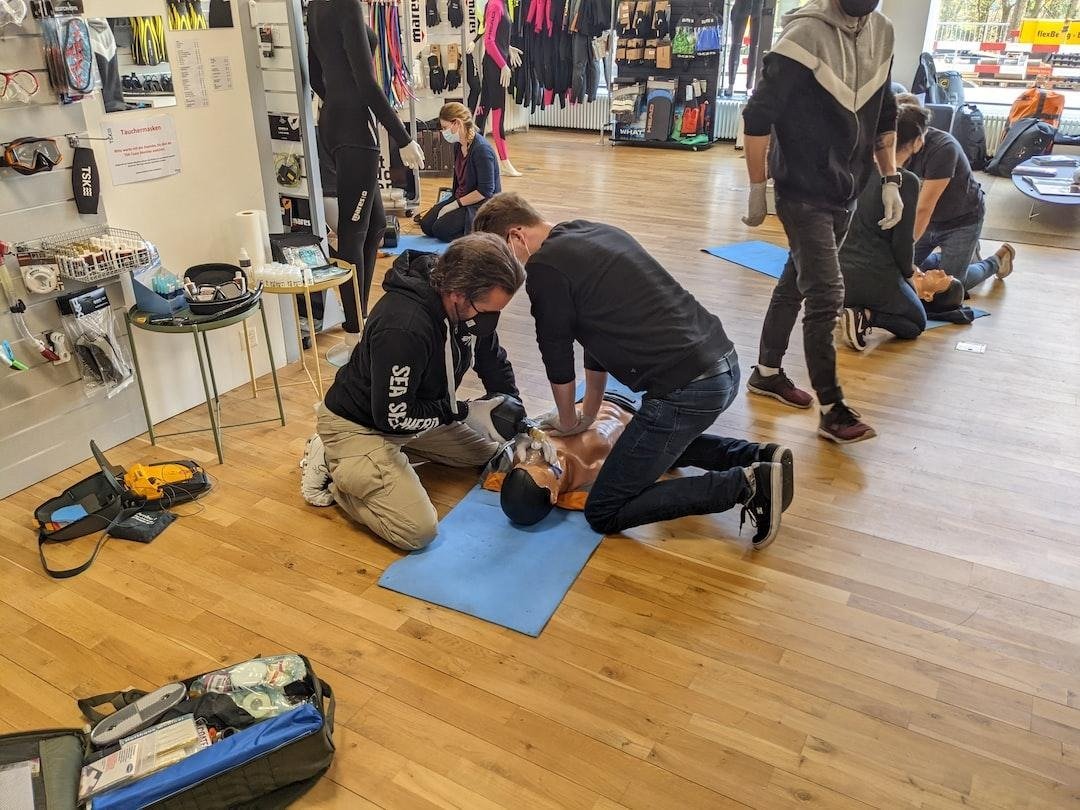
CPR certification gives people the skills to respond during emergencies when every second matters. It teaches simple steps that can help protect a life before medical help arrives. Many people choose this training for work, while others do it for personal reasons.
It can be useful at home, in public places, or in the workplace. Learning these skills can also build confidence during stressful moments. CPR certification programs are designed to be practical, easy to follow, and useful in real-life situations.
The sections below cover how these programs support safety and preparedness in everyday life.
Building Confidence During Emergencies
Emergencies can feel overwhelming without the right training. CPR certification helps people stay calm and take action with more confidence. It teaches what to do when someone stops breathing or becomes unresponsive.
Clear steps make it easier to respond without panic. Practice during training helps those actions feel more familiar. This confidence can make a big difference before emergency services arrive.
Learning Practical Life-Saving Skills
CPR programs focus on skills that can be used right away in real situations. Training often includes chest compressions, rescue breathing, and how to respond safely. These are practical lessons that go beyond theory.
Hands-on learning makes it easier to remember what to do under pressure. Repetition also helps improve response time. These simple skills can be valuable in many everyday settings.
Flexible Training Options for Different Schedules
Many CPR certification programs are designed to fit busy schedules. Some people prefer in-person classes while others choose online learning. A helpful option is using resources from programs like https://cprcertificationnow.com, where training can be completed in a way that works with daily responsibilities.
This flexibility makes it easier for more people to access important safety education. It also allows learners to move at a comfortable pace. More access means more people can be prepared to respond in an emergency.
Supporting Workplace Safety
Many jobs require CPR certification because safety is part of the role. It is especially useful in places where employees work closely with the public or with children.
Training helps staff respond quickly while waiting for medical professionals. It can also improve overall workplace emergency planning. A prepared team creates a safer environment for everyone around them, and this is one reason many employers encourage regular certification.
Helping Families Feel More Prepared at Home
CPR skills are useful beyond the workplace. Parents, grandparents, caregivers, and family members often take certification to feel more prepared at home.
Emergencies can happen without warning in everyday situations. Knowing what steps to take can reduce fear during those moments. It can also provide peace of mind for the whole household.
Encouraging Ongoing Safety Awareness
CPR certification often creates stronger awareness around health and safety. People become more mindful of emergency planning after completing training. They may also feel encouraged to refresh their skills over time.
This keeps knowledge current and useful. Safety awareness can spread into homes, schools, workplaces, and communities. The more people trained, the stronger the response during emergencies can be.
Find CPR Certification Programs for Safety and Preparedness
CPR certification programs give people practical skills that support fast action during emergencies. The training is simple, useful, and relevant in many parts of daily life. It helps people feel prepared when unexpected situations happen. It also builds confidence through practice and clear instruction.
Whether for work, home, or personal growth, these programs offer lasting value. Learning CPR is a step toward stronger safety and better preparedness for everyone.
Should you wish to read more, visit our blog. We’ve got more for you!

The rapid growth of AI computing is pushing data center networks into a new stage of development. As enterprises deploy larger GPU clusters and more advanced LLM platforms, network bandwidth has become one of the most important factors affecting AI performance. It is no longer enough to focus only on GPU specifications or model architecture. Without a high-speed, stable, and scalable optical network, AI computing resources cannot be fully utilized.
The 800G DR8 optical module is designed to meet this growing demand. Compared with traditional 100G or 400G connections, 800G DR8 provides much higher bandwidth capacity for modern data center environments. It is especially suitable for single-mode fiber connections in AI data centers, cloud platforms, and high-performance computing networks. For organizations building large-scale LLM infrastructure, 800G DR8 offers a practical path toward higher network capacity and better long-term scalability.
In LLM training environments, data movement is extremely intensive. Training large language models requires continuous communication between GPU nodes, storage systems, and distributed computing frameworks. Model parameters, gradients, training datasets, and checkpoint files all need to move quickly across the network. If the optical network cannot provide enough bandwidth, the entire AI training process may slow down. This directly reduces GPU utilization and increases operating cost.
800G DR8 helps solve this problem by providing high-speed single-mode connectivity for critical links inside the data center. It can be used for switch-to-switch connections, high-performance aggregation layers, and large AI cluster interconnects. With 800Gbps transmission capacity, the module helps reduce congestion and provides more bandwidth headroom for future AI workload growth.
For AI inference and TOKEN REQUEST platforms, 800G DR8 is equally important. A modern AI service platform may support multiple LLMs, code generation models, embedding models, image models, and multimodal systems at the same time. Each TOKEN REQUEST may be routed to different backend resources depending on model availability, cost, latency, and user demand. This creates complex traffic flows between API gateways, routing systems, inference servers, databases, storage clusters, and monitoring platforms.
As the number of TOKEN REQUESTS increases, backend networks must handle not only model input and output data, but also logging, billing, authentication, usage tracking, and system health monitoring. 800G DR8 provides the bandwidth needed to support these high-volume AI service environments. It helps platforms process more requests, reduce bottlenecks, and improve service consistency during peak traffic periods.
One of the major advantages of 800G DR8 is its use of single-mode fiber. This makes it suitable for longer and more flexible data center connections compared with short-reach multimode solutions. In large AI computing facilities, GPU clusters, storage zones, and core switching systems may be distributed across different rows, rooms, or buildings. Single-mode 800G connectivity allows operators to design the network with greater flexibility and prepare for future expansion.
800G DR8 also supports a cleaner upgrade path for data centers moving beyond 400G. As AI workloads grow, many operators are looking for ways to increase bandwidth without dramatically increasing cabling complexity. Deploying higher-speed modules such as 800G DR8 allows data centers to carry more traffic per port, improve switching efficiency, and simplify network architecture. This is especially valuable in high-density AI environments where rack space, power, and cooling are limited.
For LLM service providers, network reliability is just as important as raw bandwidth. If the optical link becomes unstable, TOKEN REQUESTS may be delayed, failed, or routed inefficiently. This can affect user experience and increase system retry rates. A stable 800G DR8 deployment helps ensure that model access, response delivery, and token usage records remain consistent across the infrastructure.
As AI moves from experimental deployment to large-scale commercial operation, data center networks must be designed for both performance and reliability. 800G DR8 optical modules provide the high bandwidth, single-mode transmission capability, and scalability needed for advanced AI computing environments.
In summary, 800G DR8 is a strong choice for AI data centers that need higher bandwidth and flexible single-mode connectivity. It supports LLM training, AI inference, distributed GPU clusters, and large-scale TOKEN REQUEST processing. For enterprises and service providers preparing for the next generation of AI infrastructure, 800G DR8 offers a powerful foundation for scalable, efficient, and reliable network growth.

Do Breitling Watches Need a Watch Winder? A Complete Owner’s Guide

Why SSD Data Recovery Requires Specialist Expertise: A UK Guide

Abu Dhabi City Tour

Who is Cuppy Enders? The Untold Story of Tommy Shaw’s First Wife

Who Is Sylvia Dale? Learn About The Wife of Johnnie Cochran

Scalable Industrial Solutions with Smart Design Systems & Financial Precision
-
Celebrity8 months ago
Who is Cuppy Enders? The Untold Story of Tommy Shaw’s First Wife
-
Celebrity8 months ago
Who Is Sylvia Dale? Learn About The Wife of Johnnie Cochran
-
 Business5 months ago
Scalable Industrial Solutions with Smart Design Systems & Financial Precision
-
 Celebrity11 months ago
Who Is Yeonmi Park’s Husband? Ex-Husband Ezekiel, Marriage, Divorce & Family Facts and More
-
 Celebrity11 months ago
Happy Dad Net Worth: Owners, Revenue & Brand Value
-
 Technology6 months ago
How System Maintenance Tools Improve Computer Performance and Security
-
 Celebrity12 months ago
Will Sonbuchner Wife: Inside Sonny Side’s Love Life & Private Marriage
-
 Celebrity8 months ago
Meet Max Muñiz: The Son of Jennifer Lopez and Marc Anthony