
Real Estate
How Infrastructure Investment Is Reshaping Wolverhampton’s Housing Demand

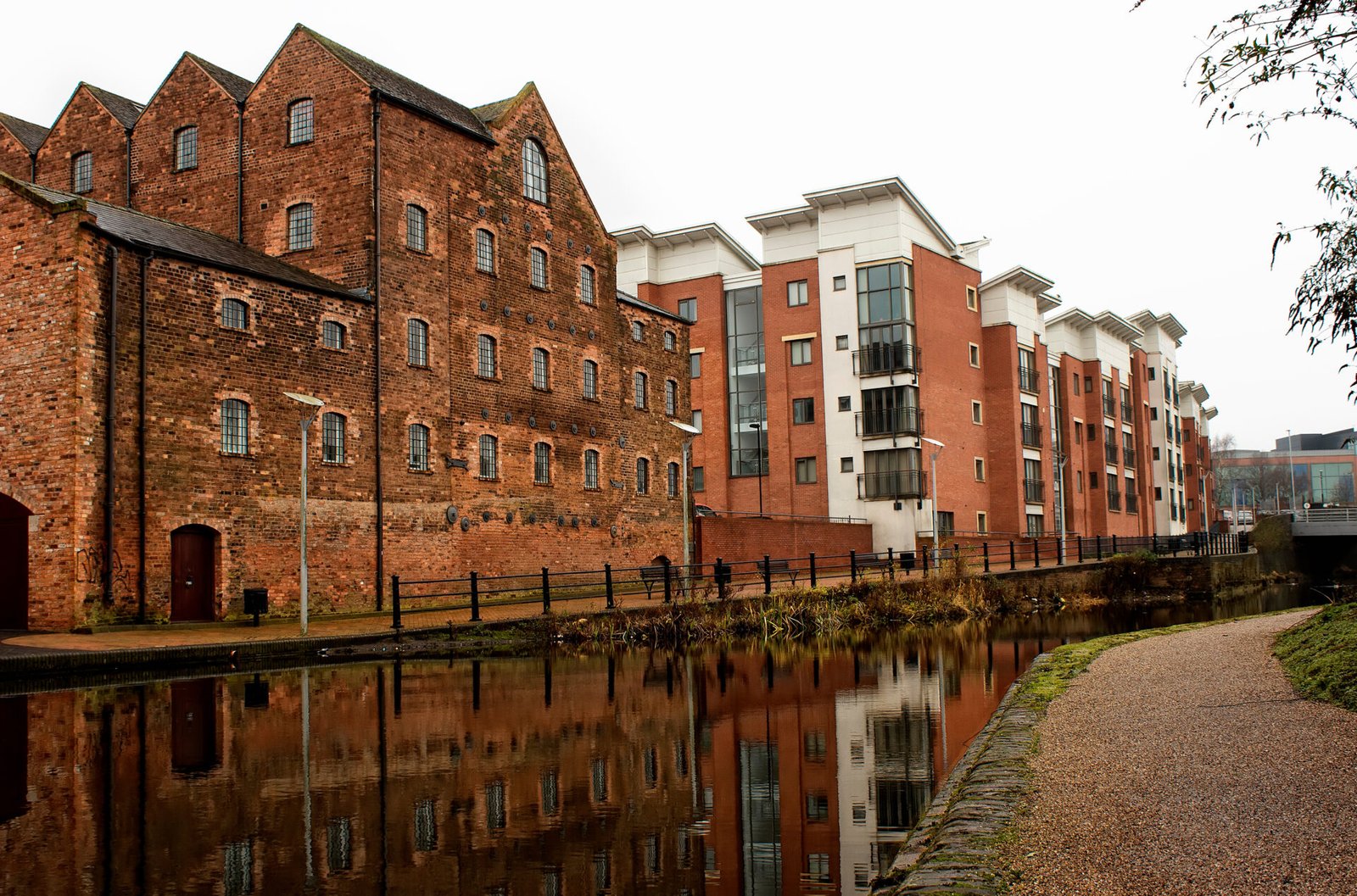
Infrastructure investment is one of the most powerful forces influencing property markets, and in Wolverhampton, it is actively transforming demand patterns across the city. From major regeneration schemes to upgraded transport networks and new residential developments, these changes are attracting buyers, tenants and investors alike. For homeowners, landlords and investors, understanding how infrastructure is shaping demand is essential for making informed property decisions.
Many buyers and sellers begin by working with professionals who understand infrastructure-led demand, such as agents offering local market insight, ensuring property strategies reflect how regeneration is influencing Wolverhampton’s housing market.
Large-Scale Regeneration Driving Demand
A city undergoing transformation
Wolverhampton is currently experiencing significant regeneration, with over £4.4 billion of investment either underway or planned across the city.
Major developments such as Smithgate, a large-scale city centre regeneration project, are delivering:
- Hundreds of new homes
- Retail and leisure spaces
- Revitalised public areas
These projects are not only increasing housing supply but also reshaping how the city is perceived, attracting a wider pool of buyers.
Transport Infrastructure Boosting Connectivity
Improved accessibility increases appeal
Transport investment is a key driver of housing demand. Wolverhampton’s upgraded infrastructure includes:
- A £150 million integrated rail, bus and tram interchange
- Improved connectivity to Birmingham and the wider West Midlands
- Enhanced commuting options for professionals
These improvements make the city more accessible and desirable, particularly for commuters seeking affordability outside Birmingham.
New Residential Developments Changing Supply
Modern housing attracting new buyers
Regeneration is also delivering new housing developments across Wolverhampton. Projects like Smithgate are set to introduce over 1,000 new homes, alongside retail and community spaces.
These developments are:
- Attracting first-time buyers and professionals
- Creating new residential hotspots
- Raising the standard of housing stock in the city
Modern, well-designed homes are particularly appealing to buyers seeking move-in-ready properties.
Economic Growth Supporting Demand
Job creation and investment
Infrastructure investment is closely linked to economic growth. Wolverhampton’s regeneration includes:
- Development of business parks such as i54
- Investment in innovation and technology sectors
- Job creation through new commercial spaces
The city’s Green Innovation Corridor, backed by £20 million funding, is helping to attract businesses and skilled workers.
As employment opportunities increase, so does demand for housing.
Regeneration of Communities and Neighbourhoods
Improving quality of living
Infrastructure investment is not limited to the city centre. Projects across residential areas, such as housing upgrades and estate regeneration, are improving living standards.
For example:
- Ongoing housing improvements worth around £15 million annually
- Refurbishment of existing housing stock
- Creation of safer, more attractive communities
These changes make neighbourhoods more appealing to both buyers and tenants.
Impact on Property Prices and Demand
Increased competition in key areas
As infrastructure improves, demand tends to concentrate in well-connected and regenerated areas. This leads to:
- Faster sales in prime locations
- Increased buyer competition
- Upward pressure on property prices
Areas close to transport hubs, new developments and employment centres are particularly benefiting from this trend.
Investment Opportunities in Wolverhampton
A growing hotspot for investors
Wolverhampton’s transformation is attracting increasing attention from property investors. Key advantages include:
- Affordable entry prices compared to Birmingham
- Strong rental demand from professionals
- Potential for capital growth driven by regeneration
High-specification apartments near transport hubs and the city centre are especially in demand.
Lifestyle and Amenity Improvements
Enhancing everyday living
Infrastructure investment is also improving the city’s lifestyle offering. Projects focused on public spaces, high streets and cultural areas are helping to:
- Increase footfall in the city centre
- Create vibrant, liveable environments
- Attract a broader demographic of buyers
The focus on community and quality of life is reinforcing long-term demand.
Why Infrastructure Investment Matters in Wolverhampton
Infrastructure investment is fundamentally reshaping Wolverhampton’s housing demand. From large-scale regeneration projects to improved transport and economic growth, these changes are attracting new buyers, supporting property values and creating long-term opportunities.
For homeowners, landlords and investors, recognising how infrastructure influences demand provides a clear advantage. As Wolverhampton continues to evolve, areas benefiting from regeneration and connectivity are likely to see the strongest growth, making the city an increasingly attractive place to live and invest.

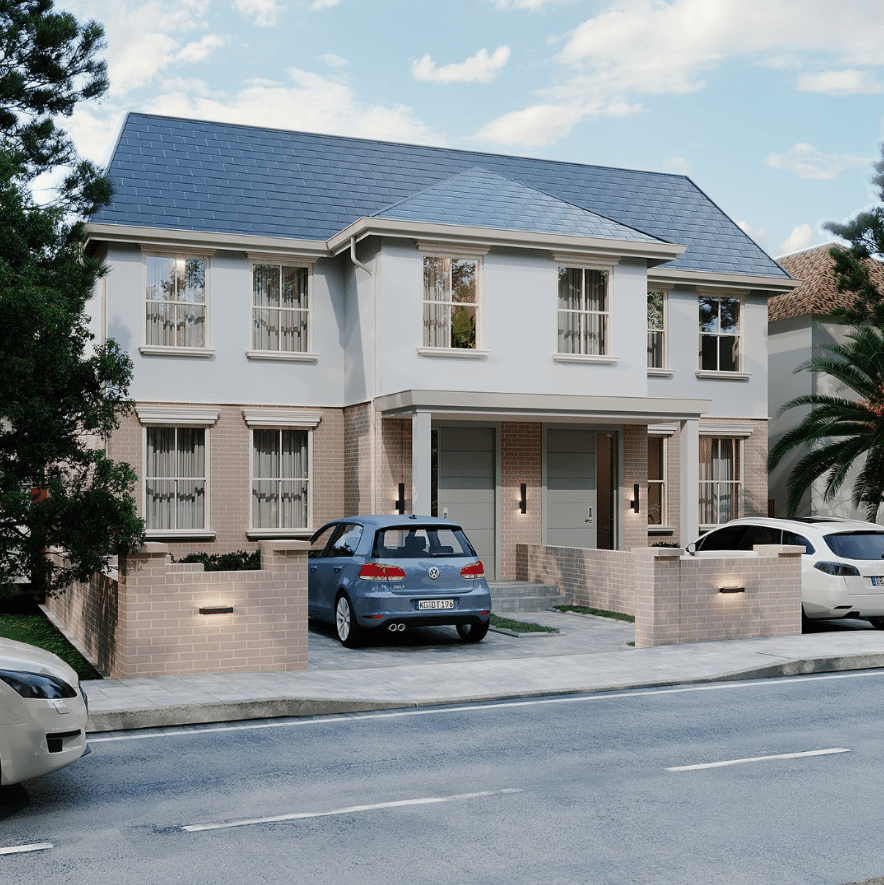
Hounslow is one of the most enviable places to live in Greater London. Positioned along a sweeping stretch of the Thames in the London Borough of Richmond upon Thames, it combines the calm and greenery of a riverside town with the connectivity and cultural richness of the capital, offering a quality of residential life that consistently places it among the most sought-after addresses in southwest London. Its streets are lined with an exceptional range of properties, from elegant Georgian townhouses and substantial Victorian family homes to Edwardian terraces, inter-war semi-detached houses, and riverside properties of considerable architectural distinction. Homeowners in Hounslow are typically among the most discerning in London, and when they decide to transform their properties, they demand an architectural practice that brings genuine creative intelligence, deep local knowledge, and the professional rigour to deliver results that match their ambitions. For those homeowners, the search for a Hounslow Architect with the expertise and the track record to make a project truly exceptional ends with Extension Architecture.
Why Hounslow Demands Specialist Architectural Knowledge
Hounslow sits within the London Borough of Richmond upon Thames, one of the most exacting and most heritage-conscious planning authorities in the capital. The borough places a strong emphasis on preserving the architectural character and environmental quality of its residential areas, and its planning policies reflect a clear commitment to ensuring that new development and alterations to existing properties are designed to a standard that respects and enhances the character of the surrounding built environment.
Hounslow contains several conservation areas that encompass its most architecturally significant residential streets, and a number of its most distinguished properties carry listed building status that introduces additional layers of planning complexity for owners considering extension or alteration work. The proximity of Hounslow to the Thames and to the designated landscape setting of Richmond Park and the wider green belt adds further sensitivity to the planning context that an architect working in the area must understand with precision and navigate with professional confidence.
Extension Architecture has developed a thorough and detailed understanding of planning policy as it operates across the London Borough of Richmond upon Thames. The practice knows Hounslow’s conservation areas, understands the architectural significance of the property types most commonly found in the area, and brings a consistent track record of successful planning outcomes that reflects genuine mastery of this specific and demanding local planning environment.
The Architectural Opportunities Hounslow Presents
The diversity of Hounslow’s housing stock means that the range of renovation and extension opportunities available to homeowners in the area is exceptionally broad. Georgian and early Victorian properties in Hounslow’s most historic streets offer opportunities for sensitive interior reconfigurations and carefully considered contemporary additions that improve the functionality and livability of magnificent period spaces. Victorian and Edwardian family homes, many of which occupy generous plots with substantial rear gardens, present compelling opportunities for rear extensions, wraparound extensions, and loft conversions that add significant living space while respecting the scale and material character of the original building.
Inter-war semi-detached properties, which make up a considerable proportion of Hounslow’s residential stock, are among the most rewarding project types for an experienced architect. Their side returns, rear gardens, and roof spaces consistently offer the potential for transformative additions that turn a competent but spatially limited family home into a generous, light-filled, and beautifully organised property that works perfectly for contemporary family life. For homeowners considering a loft conversion, understanding the dormer loft conversion cost is an essential early step, and Extension Architecture advises every client clearly on the investment involved and the exceptional value that a well-designed dormer conversion delivers in the Hounslow property market.
Riverside properties in Hounslow present a particular and particularly exciting design challenge, requiring an architectural response that makes the most of exceptional waterside settings while satisfying the specific planning requirements that apply to development in sensitive riverside locations.
What Extension Architecture Brings to Every Hounslow Project
Extension Architecture approaches every Hounslow project with the same combination of creative ambition and professional discipline that has made it one of the most respected residential architectural practices operating across southwest London. The practice’s architects begin every project with a thorough understanding of the property, its planning history, and the specific opportunities and constraints the site presents. From this foundation, they develop design proposals that are both genuinely imaginative and rigorously grounded in what the planning environment will support.
The practice works across the full range of residential project types, from single storey rear and side extensions to wraparound additions, double storey extensions, loft conversions, and complete house refurbishments. Each project type is approached with the specific expertise it demands, ensuring that every Hounslow homeowner receives a design response that makes the very most of what their property offers.
From initial feasibility through planning, building regulations, and full construction stage oversight, Extension Architecture provides the complete professional service that every Hounslow home transformation deserves. The dream project begins with the right architect, and for Hounslow homeowners, that architect is Extension Architecture.
Real Estate
What Fangchanxiu.com? A Complete Guide to China’s Smart Real Estate and Renovation Platform

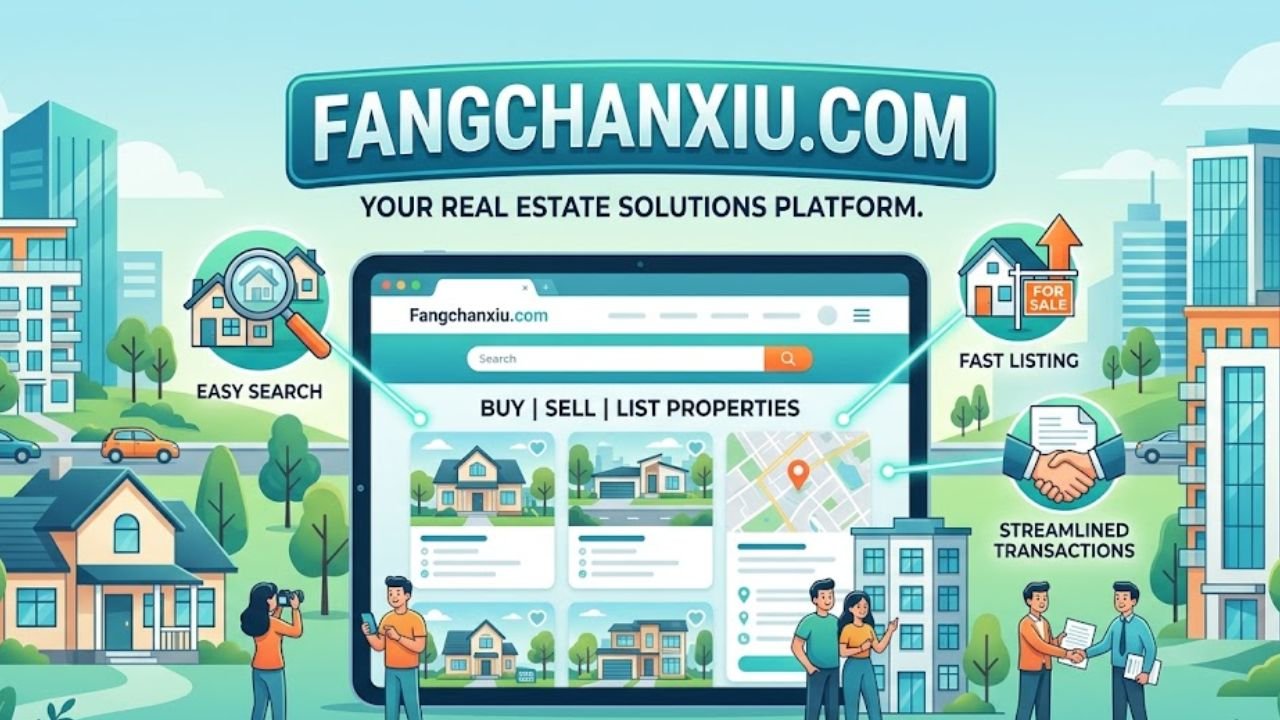
Fangchanxiu.com is a modern digital platform that brings together real estate listings, renovation guidance, and data-driven property insights in one place. The name combines “fangchan,” meaning property, with “xiu,” meaning repair or renovation. This reflects its dual purpose of helping users find properties and improve them.
Unlike traditional property websites, Fangchanxiu.com focuses on clarity, education, and practical tools. It supports buyers, sellers, homeowners, and investors by simplifying complex real estate and renovation decisions. The platform is part of the growing PropTech movement, where technology improves how people interact with property markets.
Role in China’s Property Market
Fangchanxiu.com operates within the fast-changing Chinese property market. It serves users across Tier 1, Tier 2, and Tier 3 cities, including major hubs like Beijing, Shanghai, Guangzhou, and Xi’an. The platform mainly attracts users aged 25 to 45, especially young professionals and migrant workers often called New Citizens.
China’s housing market is influenced by rapid urbanization, rising incomes, and changing lifestyle expectations. Many people are moving into cities and upgrading older homes. Fangchanxiu.com helps these users navigate buying, renting, or upgrading properties with confidence.
Listings and User Experience
At its core, Fangchanxiu.com offers a full property listing system. Users can search for homes to buy, rent, or sell using advanced filters such as price, size, and location. Listings include images, videos, and even 360-degree virtual tours, allowing users to explore properties without visiting in person.
The platform uses a mobile-first design, meaning it works smoothly on smartphones and tablets. This is important because many users search for property while on the move. The interface is clean and simple, with fewer ads compared to larger platforms. This improves the overall user experience and keeps the focus on useful information.
Users can save favorite listings, track price changes, and receive alerts when new properties match their preferences. These features make property searching faster and more efficient.
Renovation and Home Improvement Support
One of the standout features of Fangchanxiu.com is its strong focus on renovation and home improvement. The platform offers detailed guides on how to upgrade living spaces, whether for comfort or investment.
Users can learn about budgeting, cost estimation, and material selection. The platform explains how to plan renovations step by step, from layout design to final decoration. Topics include kitchen remodeling, bathroom upgrades, living room design, lighting, and furniture arrangement.
It also provides advice on modern design trends such as minimalism, eco-friendly upgrades, and smart home features. Feng Shui principles are also included, reflecting cultural preferences in Chinese interior design.
This educational approach helps users avoid costly mistakes and make better decisions. It turns complex renovation projects into manageable tasks.
PropTech and Data-Driven Insights
Fangchanxiu.com is not just a listing or renovation site. It is also a data-driven PropTech platform. It uses artificial intelligence and big data to provide valuable market insights.
The platform offers predictive data, including capital appreciation forecasts for the next five to ten years. This helps investors understand how property values may change over time. It also provides metrics like rental yield, vacancy rates, and price trends.
AI-based recommendations suggest properties based on user behavior and preferences. Interactive valuation tools help users estimate property value in real time. These features turn raw data into practical insights that support smarter decisions.
Investment Opportunities and Global Reach
Fangchanxiu.com also supports property investors by offering market analysis and investment tools. It highlights city-specific opportunities and tracks mortgage trends and policy changes.
One unique feature is its cross-border listings. The platform includes golden visa properties in regions like Southeast Asia and Europe. This attracts Chinese investors looking for international opportunities.
By combining local insights with global options, Fangchanxiu.com becomes a valuable tool for both domestic and international property investment.
Transparency and Regulatory Compliance
Trust is a major concern in the real estate industry. Fangchanxiu.com addresses this by focusing on transparency and compliance.
The platform uses strict ID verification for agents to reduce fake listings, also known as ghost listings. It displays historical price changes, including price drops, which are often hidden by traditional agents.
It also provides legal guides and transaction templates to help first-time buyers understand contracts and agreements. This reduces confusion and improves confidence during the buying process.
The platform operates within China’s regulatory framework, including the Three Red Lines policy, which affects property developers and market conditions. By aligning with regulations, Fangchanxiu.com ensures reliable and accurate data.
Comparison with Major Competitors
Fangchanxiu.com competes with major Chinese property platforms such as Fang.com, Anjuke, and Lianjia. These platforms have large user bases and extensive listings.
However, Fangchanxiu.com differentiates itself by combining multiple services in one platform. While competitors focus mainly on listings, Fangchanxiu.com integrates renovation guidance, design inspiration, and market analysis.
It also connects users with service providers such as designers, contractors, and material suppliers. This creates a complete ecosystem that supports users from property search to final renovation.
In the broader PropTech space, it shares similarities with platforms like Smartzip and Market Leader, which focus on data and forecasting. However, Fangchanxiu.com combines these tools with real estate and renovation services.
Technology and Future Trends
Fangchanxiu.com is aligned with future trends in real estate and home improvement. It already uses AI and virtual tours, and it may expand into technologies like augmented reality and blockchain.
Augmented reality can allow users to visualize furniture and layouts inside their homes. Blockchain can improve transaction security and transparency. Smart home integration is also becoming more important, as users look for energy-efficient and connected living spaces.
Sustainability is another key trend. The platform promotes eco-friendly materials, energy-saving solutions, and long-term maintenance planning. These features help users create smarter and more sustainable homes.
Why Fangchanxiu.com Matters in 2026
Fangchanxiu.com reflects the changing needs of modern property users. People no longer want just listings. They want guidance, data, and tools that help them make better decisions.
The platform bridges the gap between information and action. It helps users understand the market, plan renovations, and invest wisely. Its combination of real estate, renovation, and technology makes it highly relevant in today’s property landscape.
It is also recognized in SEO and digital marketing circles as a high-authority domain for guest posting and link building. This adds another layer of influence beyond its consumer-facing services.
Conclusion
Fangchanxiu.com is more than a property website. It is a complete digital ecosystem that combines real estate, renovation, and data-driven insights. By focusing on education, transparency, and user experience, it helps people navigate one of the most complex industries with confidence.
As technology continues to reshape the property market, platforms like Fangchanxiu.com will play an even bigger role. Whether you are buying your first home, upgrading your living space, or investing in property, this platform offers the tools and knowledge you need.
FAQs
What is Fangchanxiu.com used for?
Fangchanxiu.com is used for property searching, home renovation guidance, and real estate market analysis. It helps users buy, sell, rent, and improve properties.
Who can benefit from Fangchanxiu.com?
Homeowners, property investors, first-time buyers, renters, and DIY enthusiasts can all benefit from the platform’s tools and insights.
Does Fangchanxiu.com provide renovation advice?
Yes, it offers detailed guides on budgeting, materials, design, and project planning to support home improvement.
Is Fangchanxiu.com reliable for property data?
The platform focuses on verified data, agent ID checks, and transparent pricing history, making it a reliable source for property information.
How is Fangchanxiu.com different from other platforms?
Unlike platforms like Fang.com or Anjuke, Fangchanxiu.com combines listings with renovation resources, design inspiration, and data-driven insights in one place.

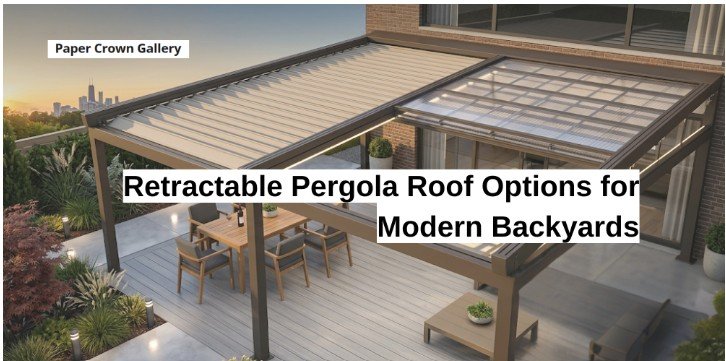
A modern backyard needs to work throughout the day, not just look good in photos. With a retractable pergola roof, you can enjoy morning sun, afternoon shade, and evening starlight at the push of a button.
But the challenge is choosing the right system for your patio. At Paper Crown Gallery, we’ve installed retractable pergola systems across the Chicago area for over three decades. Through that work, we’ve watched many homeowners make the same mistakes.
They choose based on price or appearance, then regret it months later when the system doesn’t perform the way they expected. This guide helps you avoid that.
Here, we’ll break down the most effective retractable pergola roof options, how they perform in real conditions, and which designs actually suit modern outdoor spaces.
Before diving in, let’s see why retractable systems outperform fixed roofs.
Why Retractable Pergola Roofs Work Better Than Fixed Designs
Retractable pergola roofs give you control over sun exposure throughout the day, something fixed roofs simply can’t offer.
Want full sun on a crisp winter afternoon? Open it. Need full shade during peak July heat? Just close it. You can even adjust coverage to block afternoon sun and keep your house cooler, which reduces AC costs during hot months.
Fixed roofs, on the other hand, stay locked in one position. You’re stuck with that same shade setting whether it’s spring, summer, or fall. The roof blocks the sun even when you’d prefer natural light, and there’s no way to adjust it based on temperature or how you’re using the space.
With that kind of flexibility, it’s easy to see why retractable pergola roofs have become a staple of modern, functional backyards.
Retractable Roof Options to Consider for Your Backyard
Not all retractable pergola roofs work the same way. Some prioritize flexibility and affordability, while others focus on durability and weather protection.
Here are the three most popular options.
Fabric Canopy Systems
Fabric canopies slide along aluminum tracks to give you partial or full cover, depending on how far you extend them. Because they’re relatively simple to install and maintain, they’re also the most affordable retractable option, costing between $3,000 to $6,000 for a standard patio setup.
That affordability comes with some trade-offs in durability. Most fabrics resist UV rays and light rain effectively, though you’ll need to install and remove the canopy seasonally in areas with heavy snow.
We’ve seen homeowners in Naperville replace fabric canopies after just four years in full western sun, so it’s worth factoring replacement costs into your long-term budget.
Aluminum Louvered Roofs
If you want durability that handles Chicago weather year-round, aluminum louvers are your best bet. These systems rotate to control sunlight and close fully for a watertight seal, so you can adjust shade on sunny days and stay protected in storms.
The louvers also last much longer than fabric since aluminum doesn’t fade, stretch, or need replacement from sun damage. That said, it can corrode over time. But if you maintain it at least twice a year, the system can last decades.
Polycarbonate Retractable Panels
Looking for natural light without sacrificing protection? Polycarbonate panels slide open like a sunroof, letting light through while blocking UV rays and keeping rain out. Unlike solid aluminum or opaque fabrics, your outdoor space stays bright and open.
They’re also low-maintenance. Panels typically stay clear for over a decade without yellowing, preserving that filtered light. This makes polycarbonate panels ideal for modern homes where maintaining clean sightlines is important.
Motorized vs. Manual: Which System Matches Your Lifestyle?
Between motorized and manual systems, the one that matches your needs depends on how often you’ll adjust your roof and how much you value convenience in your daily routine.
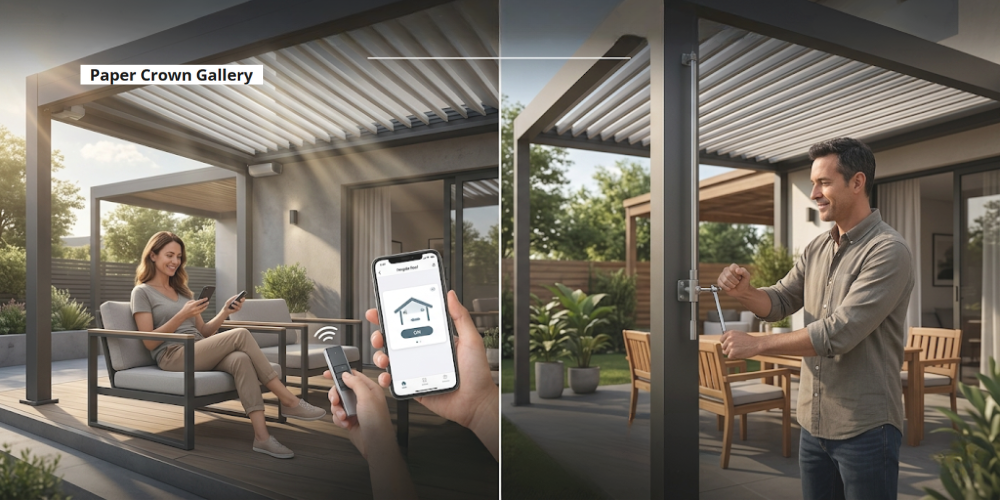
While motorized systems open and close with a remote or app, manual systems operate with a hand crank. Both have their advantages.
Let’s compare them in detail:
Motorized Systems
You can control the roof with a button, smartphone app, or voice command. No cranking required. The convenience comes at a cost, though. Motorized systems run $2,000 to $4,000 more than manual options, which reflects the added technology and installation complexity.
They make the most sense if you adjust coverage multiple times throughout the day as the sun shifts or the weather changes. Just keep in mind that motors need occasional maintenance and require electrical installation.
Manual Systems
Manual systems use a hand crank, which means you need physical effort every time you want to open or close the roof. But you get lower cost and simpler installation in return. They work well when you set the roof position once and leave it there for extended periods. Without electronics, fewer components can break down or need servicing over time.
Verdict: Choose motorized if you adjust coverage throughout the day (open for morning sun, close for afternoon heat, reopen for evening). Choose manual if you leave your roof in one position for weeks at a time.
Automated Features That Upgrade Your Outdoor Living
With manual systems, you rush outside when storms roll in to close your pergola roof. Automated systems handle this for you. Built-in rain sensors detect moisture and close the roof within seconds, protecting your furniture and cushions without any effort. Sudden afternoon storms won’t soak your patio while you’re away.
Wind sensors add another layer of protection. When wind speed exceeds a set threshold (which you can adjust), they close the roof before strong gusts can bend supports or tear fabric. They also respond more quickly than manual adjustments and prevent damage that would otherwise require expensive repairs.
Together, these sensors allow your retractable roof to operate as a hands-free system that reacts automatically to changing weather. That way, your patio furniture, cushions, and pergola stay protected without any constant monitoring.
Freestanding vs. Attached: Choosing the Setup That Matches Your Space
Your patio layout often determines whether an attached or freestanding pergola is the better fit. The table below compares the two options:
| Feature | Attached Pergola | Freestanding Pergola |
| Mounting | Bolts directly to your house exterior | Stands on independent posts |
| Best For | Patios against the house with door access | Pool areas, fire pits, or separate yard zones |
| Structural Support | Uses the house as one anchor point | Requires four corner posts anchored in concrete |
| Installation | Needs proper flashing and connection to rafters | Simpler installation with post anchors or footings |
| Permits | Often requires more building department documentation | May need fewer approvals depending on local codes |
The choice depends on where you need shade. Attached pergolas work best when your outdoor space connects directly to your back door, and you want covered access between inside and outside. Freestanding pergolas, by contrast, make sense over a pool, outdoor kitchen, or seating area that sits away from the house.
Worth Noting: Most local requirements follow standards from the International Code Council. But rules vary by location, so confirm details with your local building department.
Finding a Retractable Roof That Fits Your Budget and Style
You don’t have to choose the most expensive system to get a pergola roof that works. This guide outlined the main options: fabric canopies for affordability, aluminum louvers for durability, and polycarbonate panels for light. Your job is to pick the one that fits how you live.
Start by thinking about how often you’ll adjust the roof. Motorized systems make sense if you change coverage throughout the day, while manual systems are better when the roof stays in one position most of the time.Ready to see what fits your backyard? Paper Crown Gallery has installed retractable pergola systems across Chicago for over 30 years. We’ll help you find options that match your space, budget, and how you use your outdoor areas.

Do Breitling Watches Need a Watch Winder? A Complete Owner’s Guide

Why SSD Data Recovery Requires Specialist Expertise: A UK Guide

Abu Dhabi City Tour

Who is Cuppy Enders? The Untold Story of Tommy Shaw’s First Wife

Who Is Sylvia Dale? Learn About The Wife of Johnnie Cochran

Scalable Industrial Solutions with Smart Design Systems & Financial Precision
-
Celebrity8 months ago
Who is Cuppy Enders? The Untold Story of Tommy Shaw’s First Wife
-
Celebrity9 months ago
Who Is Sylvia Dale? Learn About The Wife of Johnnie Cochran
-
 Business5 months ago
Scalable Industrial Solutions with Smart Design Systems & Financial Precision
-
 Celebrity12 months ago
Who Is Yeonmi Park’s Husband? Ex-Husband Ezekiel, Marriage, Divorce & Family Facts and More
-
 Celebrity11 months ago
Happy Dad Net Worth: Owners, Revenue & Brand Value
-
 Technology6 months ago
How System Maintenance Tools Improve Computer Performance and Security
-
 Celebrity12 months ago
Will Sonbuchner Wife: Inside Sonny Side’s Love Life & Private Marriage
-
 Celebrity8 months ago
Meet Max Muñiz: The Son of Jennifer Lopez and Marc Anthony