
Blog
Earth Control Measure: Complete Guide to Erosion Control, Water Protection, and Construction Site Compliance

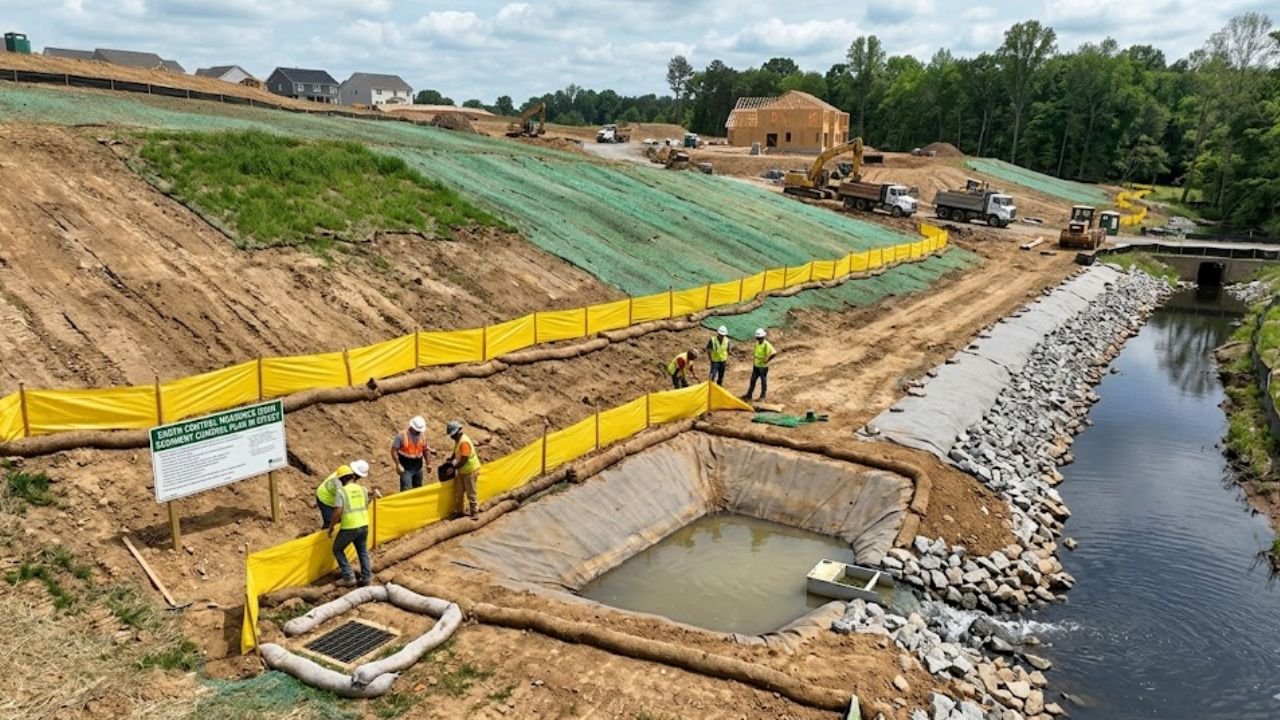
Earth Control Measure is a critical concept in modern construction and environmental management. It refers to a set of techniques, systems, and regulations designed to prevent soil erosion, control sediment runoff, and protect water quality. As construction projects continue to expand across urban and rural areas, managing exposed soil has become essential to avoid pollution, flooding, and legal penalties.
In regions like Singapore, where heavy rainfall is common and water catchment areas are vital, Earth Control Measure is not just a best practice but a strict legal requirement. This article explains everything about Earth Control Measure, including its importance, components, technologies, regulations, and future trends.
What Is Earth Control Measure?
Earth Control Measure refers to the practices and systems used on construction sites to prevent soil, silt, and suspended solids from being washed into public drains, rivers, and reservoirs. These measures are designed to control erosion and manage stormwater runoff effectively.
Construction activities such as excavation, demolition, and land clearing expose soil surfaces. Without proper control, rainwater can carry this loose soil into nearby water systems, causing pollution and reducing water quality. Earth Control Measure ensures that soil remains stable and runoff water is treated before discharge.
Why Earth Control Measure Matters on Construction Sites
Earth Control Measure plays a vital role in protecting the environment and ensuring safe construction operations. One of its main purposes is to prevent water pollution caused by suspended solids. When silt enters waterways, it can reduce oxygen levels, harm aquatic life, and disrupt ecosystems.
Another important reason is flood prevention. Silt accumulation in drainage systems reduces their capacity, increasing the risk of flash floods during heavy rainfall. By controlling sediment, Earth Control Measure helps maintain proper drainage flow.
It also supports compliance with environmental regulations. Authorities such as PUB Singapore enforce strict rules, and failure to comply can result in heavy fines or stop work orders. For contractors and developers, implementing Earth Control Measure is essential to avoid delays and financial losses.
Main Goals of an Effective Earth Control Measure Plan
The main goal of Earth Control Measure is to control soil erosion and manage sediment before it leaves the construction site. This involves keeping soil in place and capturing any sediment that is carried away by rainwater.
Another goal is to ensure that discharged water meets quality standards, especially the requirement that Total Suspended Solids remain below 50 mg/L. This standard is widely enforced in high regulation environments.
Earth Control Measure also aims to improve site safety by reducing mud, preventing slippery conditions, and ensuring clean working environments. At the same time, it enhances project sustainability by protecting natural resources and supporting green building certifications.
Core Components of Earth Control Measure
An effective Earth Control Measure system is built on two main components. The first is erosion control, which focuses on preventing soil from being displaced. The second is sediment control, which captures soil particles that have already been moved.
Erosion control includes minimizing exposed areas, stabilizing soil surfaces, and using vegetation or protective materials. Sediment control involves installing barriers, drains, and treatment systems to capture and clean runoff water.
Together, these components form a complete system that manages both the source and the movement of soil.
Erosion Control Measures That Keep Soil in Place
Erosion control is the first line of defense in any Earth Control Measure strategy. It focuses on keeping soil stable and preventing it from being washed away.
One common method is phasing construction activities to reduce the amount of exposed soil at any given time. This approach ensures that only active work areas are disturbed, while other parts remain protected.
Surface protection is another key method. Materials such as erosion control blankets, hydro mulching, and vegetation are used to cover bare soil. These materials help absorb rainfall impact and reduce runoff velocity.
Paving access roads and site office areas is also effective. By using concrete or milled waste, contractors can reduce the amount of mud generated on site.
Vegetation plays a natural role in erosion control. Grass, shrubs, and trees help bind soil together through their root systems, making the ground more stable.
Sediment Control Measures That Stop Silt From Leaving the Site
While erosion control prevents soil movement, sediment control deals with soil that has already been displaced. These measures capture sediment and prevent it from entering public drainage systems.
Silt fences are widely used as temporary barriers. They allow water to pass through while trapping soil particles. Cut off drains are installed around the site perimeter to intercept runoff and direct it to treatment areas.
Holding ponds and sediment basins are used to store runoff water. These structures allow suspended solids to settle before the water is discharged. In more advanced systems, Silty Water Treatment Units are used to remove fine particles through filtration and chemical processes.
Check dams and silt traps are also effective in slowing down water flow and capturing sediment. These measures ensure that runoff is controlled and treated properly.
Key Site Practices for Better Earth Control Measure Performance
Effective Earth Control Measure requires proper site management practices. One important practice is sealing gaps in site hoarding to prevent water leakage. Entrance humps are installed at site exits to stop silty water from flowing onto public roads.
Stockpile management is another critical aspect. Soil piles should always be covered with plastic sheets or blankets to prevent erosion during rain. Wheel wash systems are used to clean vehicle tires before they leave the site, reducing mud tracking.
Drainage segregation is also essential. Clean rainwater should be separated from contaminated runoff to reduce the load on treatment systems.
Regular inspection and maintenance are necessary to ensure that all measures are functioning properly. Damaged silt fences or clogged drains must be repaired immediately.
Role of the Qualified Erosion Control Professional
The Qualified Erosion Control Professional plays a central role in implementing Earth Control Measure. This professional is responsible for designing, approving, and monitoring the entire system.
The QECP conducts site risk assessments, analyzing soil type, slope conditions, and rainfall patterns. Based on this analysis, a detailed Earth Control Measure plan is created.
The QECP also manages regulatory submissions and ensures that the plan meets legal requirements. During construction, regular site audits are conducted to maintain compliance. Weekly inspection reports are often required to verify that all measures are working effectively.
How Silty Water Treatment Systems Work
Silty Water Treatment Units are advanced systems used in modern Earth Control Measure. These units treat runoff water to remove suspended solids before discharge.
The process begins with screening, where large debris is removed. Coagulation follows, where chemicals such as alum are added to neutralize particle charges. Flocculation helps small particles combine into larger clumps.
Sedimentation allows these clumps to settle at the bottom, forming sludge. The remaining water is then filtered through materials like sand and gravel. Finally, sensors check the water quality to ensure it meets the required standards before discharge.
If the water does not meet the standard, auto intervention valves stop the discharge and redirect it for further treatment.
Total Suspended Solids Standards and Discharge Rules
One of the most important aspects of Earth Control Measure is maintaining water quality standards. The widely accepted limit is that discharged water must contain less than 50 mg/L of Total Suspended Solids.
This standard ensures that water released into public drains does not cause pollution or environmental damage. Monitoring systems continuously measure TSS levels to ensure compliance.
Real time alerts are sent to site managers if the levels exceed the limit, allowing immediate corrective action.
Monitoring Systems, CCTV, and Real Time Compliance Tools
Modern Earth Control Measure systems rely heavily on digital monitoring technologies. IoT based sensors measure turbidity and TSS levels in real time. These sensors are connected to cloud platforms that provide live data dashboards.
CCTV cameras are installed at discharge points to provide visual monitoring. Authorities can access these feeds remotely to ensure compliance.
Advanced systems include automated alerts, AI analytics, and even drone inspections. These technologies make it easier to detect issues early and maintain high standards of environmental protection.
Earth Control Measure Regulations in Singapore
Singapore has one of the most advanced regulatory frameworks for Earth Control Measure. Agencies such as PUB enforce strict rules to protect water resources and prevent flooding.
Construction sites are required to submit detailed Earth Control Measure plans before work begins. These plans must be approved by a Qualified Erosion Control Professional.
The Environmental Protection and Management Act and the Sewerage and Drainage Act provide the legal foundation for enforcement. Non compliance can result in fines up to 50,000 dollars or stop work orders.
Recent updates have introduced stricter inspections during monsoon seasons and stronger enforcement measures to address climate related risks.
Best Practices for Planning, Inspection, and Maintenance
Planning is the first step in successful Earth Control Measure implementation. Contractors must engage qualified professionals and include all costs in project tenders.
During construction, daily inspections are necessary to identify problems early. After heavy rainfall, all measures should be checked and repaired within a short time.
Maintenance includes cleaning sediment basins, repairing damaged barriers, and ensuring treatment systems are functioning properly. Continuous monitoring ensures that water quality standards are always met.
Cost, Challenges, and Long Term Benefits of Earth Control Measure
Implementing Earth Control Measure involves costs related to equipment, labor, and monitoring systems. However, these costs are often lower than the financial risks of non compliance.
Challenges include high initial investment, technical complexity, and the need for continuous maintenance. Space constraints on construction sites can also make it difficult to install large treatment systems.
Despite these challenges, the long term benefits are significant. Earth Control Measure reduces environmental damage, prevents flooding, and ensures regulatory compliance. It also improves site safety and enhances the reputation of construction companies.
New Trends in Earth Control Measure for 2025 and 2026
Earth Control Measure is evolving rapidly with the introduction of new technologies. AI driven analytics are now used to predict runoff risks and optimize system performance.
IoT sensor networks provide real time monitoring and integration with cloud based systems. Autonomous drones are used for site inspections, making it easier to detect issues.
Sustainable materials such as biodegradable erosion control blankets and eco friendly chemicals are gaining popularity. Innovations like self healing concrete and 3D printed components are also being explored.
Stricter regulations and increased enforcement are expected to continue, making Earth Control Measure even more important in the future.
Conclusion
Earth Control Measure is an essential part of modern construction. It protects the environment, ensures compliance with regulations, and reduces the risk of flooding and water pollution.
By combining erosion control, sediment management, advanced technology, and professional oversight, construction sites can operate safely and responsibly. As regulations become stricter and environmental concerns grow, Earth Control Measure will remain a key priority for sustainable development.
FAQs
What is Earth Control Measure in construction
Earth Control Measure refers to the systems and practices used to prevent soil erosion and control sediment runoff on construction sites, ensuring that water discharged meets environmental standards.
Why is Earth Control Measure important
It helps prevent water pollution, reduces flood risks, protects ecosystems, and ensures compliance with environmental regulations.
Who is responsible for Earth Control Measure planning
A Qualified Erosion Control Professional is responsible for designing, approving, and monitoring Earth Control Measure systems on construction sites.
What is the TSS limit in Earth Control Measure
The standard limit for Total Suspended Solids in discharged water is typically less than 50 mg/L.
What equipment is used in Earth Control Measure
Common equipment includes silt fences, cut off drains, holding ponds, Silty Water Treatment Units, turbidity sensors, and CCTV monitoring systems.


Modern dating culture and lifestyle media are filled with unique terms and metaphors to describe various aspects of romance, intimacy, and affection. From casual dating trends to sensory kissing styles, learning these terms helps readers better navigate romantic literature, relationship blogs, and online discussions.
One expression that frequently piques curiosity in romantic terminology guides is the snowball kiss.
What Does a Snowball Kiss Entail?
In lifestyle discussions and romance concepts, the term snowball kiss is used to describe a romantic exchange characterized by momentum, temperature contrast, or playful sharing between partners.
Here are the main ways the term is interpreted in modern romance guides:
1. The Building Momentum Concept
Just as a snowball grows larger and faster as it rolls down a hill, this style of kiss starts very soft, slow, and delicate, gradually building up into an intense, deeply passionate moment.
2. Temperature Contrast Play
In sensory romance context, it refers to incorporating cold elements—such as a chip of ice or cold beverage—passed gently during a warm kiss to create an invigorating sensory contrast.
3. Spontaneous & Playful Connection
It symbolizes a lighthearted, playful intimate gesture meant to break routine and bring a moment of fun, shared laughter into a relationship.
The Role of Playful Gestures in Relationships
Incorporating novel, playful gestures into a relationship offers several emotional benefits:
- Breaks Monotony: Trying playful or creative kissing techniques keeps romantic routines fresh and exciting.
- Enhances Connection: Lighthearted sensory experiences encourage partners to focus fully on the present moment together.
- Encourages Open Communication: Exploring fun dating terms together can make discussing romantic preferences easier and more comfortable.
To explore full context explanations, cultural references, and practical romantic insights, check out this detailed guide explaining what a Snowball Kiss Mean in today’s lifestyle vocabulary.
Conclusion
Understanding romantic jargon and expressive terminology adds depth to how we discuss human connection. Whether you come across it in modern romance fiction or lifestyle articles, the concept of a snowball kiss highlights the importance of creativity, warmth, and playfulness in romantic relationships!

As global communication and digital culture bring people closer, picking up words and slang from different languages has become second nature. Spanish is one of the most widely spoken languages in the world, and its everyday vocabulary is rich with cultural nuances, affectionate terms, and casual slang.
One word that frequently appears in Spanish movies, songs, social media captions, and casual conversations is Viejo (or its feminine form, Vieja). While its direct translation is simple, its actual meaning often changes depending on who is speaking and how it is used.
The Literal Translation vs. Cultural Meaning
At its core, Viejo is a Spanish adjective that literally translates to “old” in English. It can be used to describe non-living objects, such as an old car (un carro viejo) or an old building (un edificio viejo).
However, when applied to people or used in daily conversations, Viejo takes on a variety of cultural meanings:
1. A Term of Endearment for Fathers or Husbands
In many Latin American countries, it is extremely common for people to refer to their father warmly as “mi viejo” (my old man). Similarly, spouses might affectionately call each other “viejo” or “vieja” in casual home settings.
2. Calling a Close Friend (“Che Viejo” / “Oye Viejo”)
In informal settings—especially among close male friends—viejo is often used like “buddy,” “pal,” or “mate.” It signifies closeness and familiarity rather than actual age.
3. Literal Age Description
When used in a formal context without possessive pronouns, viejo simply describes someone or something of advanced age.
Why Context and Tone Matter in Spanish Slang
Because Spanish relies heavily on tone, relationship dynamics, and regional dialects, using words like Viejo requires an understanding of context:
- Warm Tone: Used with family or close friends, it signals affection, respect, and deep familiarity.
- Formal Settings: Calling a stranger or an authority figure viejo can come across as overly casual or impolite.
- Regional Variations: Countries like Argentina, Mexico, and Colombia all use the term with slightly different stylistic nuances in daily banter.
To learn more about regional variations, sentence examples, and how the meaning shifts across different Spanish-speaking regions, read this full breakdown explaining what Viejo Mean in modern Spanish culture.
Final Thoughts
Learning the subtle meanings behind common Spanish words makes cross-cultural communication much richer. Whether you hear it in popular music, watch it in a TV show, or hear it among friends, understanding Viejo helps you appreciate the warmth and depth of everyday Spanish dialogue!


The world of celebrity investing has evolved significantly over the years. While luxury cars, startups, and entertainment ventures continue to attract attention, many celebrities are increasingly turning to rental properties as a reliable source of long-term wealth. Real estate has long been recognized as one of the most stable investment vehicles, offering opportunities for passive income, portfolio diversification, and asset appreciation.
Unlike industries that may fluctuate with market trends, rental properties provide a tangible asset that can generate recurring income while increasing in value over time. For celebrities seeking financial security beyond their entertainment careers, real estate has become an attractive option.
The Appeal of Rental Property Investments
One of the primary reasons celebrities invest in rental properties is the opportunity to create consistent cash flow. Whether they own single-family homes, luxury apartments, or multi-unit developments, rental income can provide a steady revenue stream regardless of industry conditions.
Many high-profile investors understand that successful wealth preservation requires diversification. Rental properties offer protection against market volatility while providing long-term growth potential. As a result, real estate often becomes a cornerstone of a celebrity’s investment portfolio.
In addition to generating income, rental properties can offer tax advantages, equity growth, and opportunities for strategic expansion over time.
Real Estate Offers Long-Term Wealth Building
Property values historically appreciate over the long term, making real estate an effective wealth-building strategy. Celebrities and other investors often acquire properties in growing markets where demand remains strong.
As rental income helps cover mortgage expenses and operating costs, property owners can gradually build equity while benefiting from potential appreciation. This combination of income generation and asset growth makes rental properties attractive for investors focused on long-term financial goals.
The Importance of Professional Property Management
Owning rental properties can be rewarding, but it also comes with responsibilities. From maintenance coordination to tenant communication and lease administration, managing rental properties requires time and expertise.
Professional Property Management services help property owners streamline daily operations while maintaining positive tenant relationships. Experienced property managers oversee essential tasks such as rent collection, maintenance scheduling, lease enforcement, and financial reporting.
For celebrities with demanding schedules and multiple investments, professional management provides peace of mind and allows them to focus on other priorities while ensuring their properties remain profitable and well-maintained.
Why Tenant Screening Matters
A successful rental investment often depends on the quality of the tenants occupying the property. This is why tenant screening remains one of the most important aspects of rental property ownership.
Proper tenant screening helps landlords identify qualified applicants who demonstrate financial responsibility, stable income, and a positive rental history. By evaluating prospective tenants before lease approval, property owners can reduce the likelihood of payment issues, lease violations, and property damage.
Investors who prioritize tenant screening often experience fewer disputes and greater long-term stability within their rental portfolios.
The Value of Professional Tenant Screening Services
As rental portfolios grow, many investors choose to work with professional tenant screening services to improve consistency and accuracy during the application process.
These services typically verify employment, review credit history, conduct background checks, and assess rental references. The goal is to provide property owners with reliable information that supports informed leasing decisions.
For celebrities and large-scale investors managing multiple properties, professional tenant screening services can save time while helping minimize potential risks.
Understanding the Tenant Application Screening Process
A thorough tenant application screening process goes beyond reviewing a completed application form. Property owners and managers often evaluate several factors before approving an applicant.
Common components include:
- Employment verification
- Income verification
- Credit history review
- Rental history evaluation
- Reference checks
- Background screening
Comprehensive tenant application screening helps ensure that prospective renters meet the property’s requirements and can fulfill their lease obligations.
Rental Tenant Screening Helps Protect Investments
Rental tenant screening serves as a proactive risk-management strategy for property owners. Identifying reliable tenants before move-in can significantly reduce costly issues that may arise later.
The screening process for tenants provides valuable insights into an applicant’s financial behavior, rental history, and overall suitability. By making data-driven decisions, investors can improve occupancy quality and protect the long-term performance of their rental assets.
For celebrities managing valuable real estate holdings, effective rental tenant screening is often considered an essential part of preserving both property value and investment returns.
The Future of Celebrity Real Estate Investing
As more celebrities seek stable and scalable investment opportunities, rental properties are expected to remain a popular choice. Real estate offers a unique combination of income generation, asset appreciation, and long-term financial security that few other investments can match.
However, success in rental property ownership requires more than simply acquiring properties. Strategic Property Management, effective tenant screening, and sound operational practices all play critical roles in maximizing returns and minimizing risk.
By approaching real estate with a long-term perspective and leveraging professional expertise when needed, celebrities can continue building sustainable wealth through rental property investments.
Conclusion
The growing interest in rental properties among celebrities reflects a broader understanding of the value of real estate investing. Rental income, portfolio diversification, and long-term appreciation make real estate an attractive option for investors seeking financial stability.
At the same time, successful rental property ownership depends on strong management practices. Professional Property Management solutions, comprehensive tenant screening, and reliable tenant screening services help property owners protect their investments while creating positive experiences for tenants.
As celebrity investors continue expanding their real estate portfolios, these best practices will remain key drivers of long-term success.

Romantic Terminology Explained: Decoding the Snowball Kiss

Understanding Spanish Terms: What Does Viejo Mean in Daily Conversation?

Do Breitling Watches Need a Watch Winder? A Complete Owner’s Guide

Who is Cuppy Enders? The Untold Story of Tommy Shaw’s First Wife

Who Is Sylvia Dale? Learn About The Wife of Johnnie Cochran

Scalable Industrial Solutions with Smart Design Systems & Financial Precision
-
Celebrity10 months ago
Who is Cuppy Enders? The Untold Story of Tommy Shaw’s First Wife
-
Celebrity10 months ago
Who Is Sylvia Dale? Learn About The Wife of Johnnie Cochran
-
 Business6 months ago
Scalable Industrial Solutions with Smart Design Systems & Financial Precision
-
 Celebrity1 year ago
Who Is Yeonmi Park’s Husband? Ex-Husband Ezekiel, Marriage, Divorce & Family Facts and More
-
 Celebrity1 year ago
Happy Dad Net Worth: Owners, Revenue & Brand Value
-
 Celebrity1 year ago
Will Sonbuchner Wife: Inside Sonny Side’s Love Life & Private Marriage
-
 Celebrity9 months ago
Meet Max Muñiz: The Son of Jennifer Lopez and Marc Anthony
-
 Technology7 months ago
How System Maintenance Tools Improve Computer Performance and Security