Travel
First Trip to Pakistan: Entry Rules, Local Tips and What to Expect


Planning a first visit to Pakistan usually starts with the obvious things: route, budget, and where you want to spend your time. Once people begin comparing flights to Pakistan, the next question is usually what the trip will actually feel like on the ground. That is where good preparation helps. Most of the essentials are straightforward, and once those are sorted, the trip becomes much easier to manage.
If you are looking at flights to Pakistan for the first time, it helps to think beyond the journey itself. Entry rules, visa timing, money, mobile data and local transport often have more impact on the first few days than the flight you book. A little planning before departure can save a lot of hassle after arrival.
Pakistan can suit very different kinds of travel. Some people base themselves in major cities such as Lahore, Karachi or Islamabad, while others head north for mountain scenery and longer road journeys. Those two styles of trip can feel quite different, so it is worth preparing for the version of Pakistan you are actually visiting rather than treating it as one uniform experience.
Check Your Passport and Entry Requirements Early
The first thing to confirm is your passport. Make sure it is valid for the required period and has enough blank pages for entry and exit stamps. It is best to check this before booking anything non-refundable. Even when a passport still looks valid at first glance, it may not meet the entry conditions if it is too close to expiry.
You should also check the latest visa rules for your nationality and trip purpose. Do this through official channels and leave enough time before departure. Even if the application process is quite simple, it still helps to avoid leaving it until the final week. Errors with passport numbers, names or travel dates can delay approval and create stress that is easy to avoid.
Once your visa is sorted, save digital copies of your passport and visa confirmation and keep printed copies in your hand luggage. It is a simple precaution and makes arrival easier if you need to show documents quickly.
Sort Travel Insurance Before You Go
Travel insurance is one of the most useful parts of trip planning because it covers the things you hope will not happen. That includes medical treatment, cancellations, lost baggage, delays and theft. For a first trip, it gives you a clearer fallback if plans change or something goes wrong unexpectedly.
Do not choose a policy based on price alone. Read what is actually included. Make sure it covers the length of your stay, any domestic flights or road travel you plan to take, and any activities that may be relevant if you are going to northern areas. If you have a medical condition that needs to be declared, do that properly rather than assuming it will be covered automatically.
Keep a copy of the policy details and emergency numbers stored offline on your phone as well as in your email.
Basic Prep Before Departure
A few practical checks before flying can make a noticeable difference. Keep the address and phone number of your first hotel or host easy to access. Download offline maps, save your flight and hotel confirmations, and keep important documents in one place rather than spread across different bags.
It is also helpful to note the names of the places you are visiting in a form you can show on your phone if needed. That is useful for airport transfers, local drivers and check-ins. If you are arriving late at night or very early in the morning, arrange your first transfer in advance if possible.
For medication, carry enough for the whole trip and keep essential medicines in hand luggage. If you use prescription medication, it is sensible to bring the prescription or a doctor’s note.
Currency, Cards and Everyday Spending
It is worth arriving with a simple money plan. Check whether your bank cards will work internationally and whether your provider charges foreign transaction fees. Bring more than one payment card if possible so you have a backup. You may not need to rely on cash for everything, but cash is still important for many daily purchases.
Having some local currency available early on can help with smaller expenses such as snacks, tips, short rides or purchases in places where card payments are less common. It is usually best not to carry large amounts at once, but having enough for the first day or two makes things easier.
Daily costs vary depending on where you are and how you travel. Big cities offer everything from budget food and basic transport to high-end hotels and restaurants. Northern travel can involve longer transfers, private drivers or domestic flights, which can increase costs. It helps to budget not just for accommodation and meals, but also for the time and distance involved in moving around.
SIM Cards and Mobile Data
Getting connected quickly after landing makes a real difference. Mobile data helps with maps, ride-hailing, hotel contact, translation and checking bookings. For a first trip, it removes a lot of unnecessary friction.
You can either look into roaming with your home provider or get a local SIM after arrival, depending on what suits your trip length and budget. Many travellers prefer to arrange this as soon as possible after landing so they are not relying on airport Wi-Fi or trying to navigate without data.
Before departure, download the apps you are most likely to need. Maps, messaging, airline apps, hotel bookings and any local transport tools are worth having ready. Save key addresses offline as well in case the signal is slow when you arrive.
Getting Around: Transport and Distances
Transport in Pakistan depends a lot on where you are staying. In major cities, the focus is usually on short urban journeys between hotels, restaurants, markets and business districts. In those cases, app-based rides or hotel-arranged cars can be the easiest option, especially when you first arrive.
In northern areas, travel works differently. Distances are longer, roads can be slower than expected, and journeys often take more time than they appear to on a map. That does not mean travel is difficult, but it does mean you should allow for realistic transfer times and avoid planning every day too tightly.
If your trip includes both a city stay and time in the north, think of them as two different travel rhythms. A city break may involve short rides and flexible plans, while northern travel often requires earlier starts, longer drives and more reliance on advance planning.
Cultural Awareness and Dress
A calm, respectful approach goes a long way. Pakistan is varied, and what feels normal in one setting may feel different in another. Large cities tend to offer a broader mix of dress and social styles, while smaller towns and more traditional areas can feel more conservative.
For travellers, modest clothing is usually the easiest option. That generally means avoiding very revealing outfits and choosing clothes that feel comfortable but respectful in public spaces. Lightweight long trousers, loose shirts, longer dresses and layers work well for many situations. A scarf can also be useful, especially for religious sites or more traditional settings.
Basic courtesy matters more than trying to get every detail perfect. Be polite, ask before taking photos of people, and pay attention to the setting you are in. This is usually enough to make everyday interactions feel smooth.
City Trips and Northern Travel Are Not the Same
One of the most useful things to understand before a first visit is that travel style changes depending on the region. A trip focused on Lahore, Karachi or Islamabad may feel more structured around hotels, restaurants, urban transport and day-to-day convenience. A trip focused on the north may involve mountain roads, changing weather and longer gaps between stops.
That difference affects what you pack, how you budget and how much flexibility you need. It is worth preparing with that in mind rather than assuming the same pace will apply everywhere.
Before you fly, keep the essentials in order: check your passport, arrange your visa, sort travel insurance, prepare your money, and have a plan for mobile data and airport transport. Save your key documents, keep your first-night details easy to find, and dress in a way that feels comfortable and respectful. Once those basics are handled, your first trip to Pakistan will feel much more manageable from the moment you land.



Top Things to Do in Abu Dhabi – The Ultimate Bucket List for the Capital
Abu Dhabi’s top things to do range from the breathtaking Sheikh Zayed Grand Mosque and the Louvre to thrilling Yas Island theme parks, desert adventures and beautiful beaches. This ultimate bucket list rounds up the very best experiences in the capital, helping you plan an unforgettable trip with a little help from Trip Habibi.
Visit the Sheikh Zayed Grand Mosque
Topping any Abu Dhabi bucket list is the Sheikh Zayed Grand Mosque, one of the most beautiful mosques in the world. Its gleaming white marble, intricate floral inlays, vast courtyards, dazzling chandeliers and the world’s largest hand-knotted carpet create a breathtaking blend of serenity and grandeur.
Open to visitors of all backgrounds, the mosque offers a deeply memorable experience, especially in the soft light of late afternoon and evening. Modest dress is required to enter, and taking time to explore its stunning architecture and peaceful atmosphere is an absolute must-do and a highlight of any trip to the capital.
Explore Qasr Al Watan
Qasr Al Watan, the Palace of the Nation, is a top attraction and a working presidential palace that opens its magnificent interiors to visitors. Its grand domes, ornate halls, beautifully landscaped grounds and exhibitions on Emirati heritage offer a fascinating glimpse into the culture and governance of the UAE.
Inside, you can marvel at the vast central dome, admire priceless gifts and learn about the nation’s story through engaging displays. Qasr Al Watan blends the ceremonial grandeur of a palace with the accessibility of a cultural attraction, making it one of the most impressive and rewarding things to do in Abu Dhabi.
Discover the Louvre Abu Dhabi
The Louvre Abu Dhabi is a top cultural experience, famous for its stunning domed roof that creates a mesmerising rain of light effect. As a universal museum on Saadiyat Island, it displays art and artefacts spanning human history and civilisations from around the world.
Wandering its galleries, visitors encounter everything from ancient relics to modern masterpieces, thoughtfully arranged to tell the shared story of humanity. The combination of world-class art and breathtaking architecture makes the Louvre an unmissable highlight and one of the top things to do for anyone interested in culture and beauty.
Experience Yas Island
Yas Island is a top destination for thrills and family fun, home to Ferrari World, Yas Waterworld and Warner Bros. World. These world-class parks offer record-breaking rides, exhilarating water slides and immersive attractions that delight thrill-seekers and families from around the world.
The Yas Marina Circuit, host of the Formula 1 Grand Prix, adds motorsport excitement, while the island’s beaches, marina and dining complete the experience. A day on Yas Island delivers non-stop fun and adrenaline, making it one of the top things to do in Abu Dhabi for visitors of all ages.
Stroll the Corniche
Strolling the Abu Dhabi Corniche is a top way to relax and enjoy the capital’s beautiful waterfront. Stretching along the coast, this landscaped promenade features parks, beaches, cycling paths and cafes, offering gorgeous views of the skyline and the Gulf in a spacious, elegant setting.
The Corniche is a favourite spot for relaxation among residents and visitors alike, perfect for a leisurely walk, a bike ride or a beach day. Its clean, spacious character captures the refined atmosphere of Abu Dhabi and provides a lovely, laid-back contrast to the capital’s grand monuments and thrilling attractions.
Go on a Desert Safari
A desert safari is a top adventure in Abu Dhabi, offering thrilling dune bashing, camel rides and traditional camps with dinner and entertainment beneath the stars. The capital’s spectacular deserts, including the legendary Liwa region, provide some of the most dramatic dune scenery in the UAE.
Whether you seek an exciting evening safari or an epic expedition into the vast Empty Quarter, the desert delivers an unforgettable Arabian adventure. This quintessential experience connects visitors to the natural beauty and Bedouin heritage of the region and ranks among the top things to do in the capital.
Visit Emirates Palace
Visiting or admiring the Emirates Palace is a top experience that showcases Abu Dhabi’s grandeur. This landmark luxury hotel, with its golden domes, opulent interiors and sweeping gardens, epitomises the capital’s elegance and offers a sense of its refined, luxurious character.
Even a brief visit provides beautiful photo opportunities and a taste of five-star splendour. Whether enjoying afternoon tea, exploring the grounds or simply marvelling at the architecture, the Emirates Palace is a memorable stop that highlights the sophistication and hospitality for which Abu Dhabi is renowned.
Encounter Wildlife on Sir Bani Yas
For a top nature experience, Sir Bani Yas Island offers a chance to encounter free-roaming wildlife such as gazelles, giraffes and cheetahs on safari-style drives. This natural reserve provides an extraordinary encounter with nature within the Emirates, ideal for families and animal lovers.
Beyond wildlife, the island offers beaches, activities and relaxation in a beautiful natural setting. A visit to Sir Bani Yas reveals a wilder, greener side of Abu Dhabi and provides a unique and memorable experience that complements the capital’s cultural landmarks and urban attractions.
Relax on Saadiyat Beach
Relaxing on the pristine shores of Saadiyat Island is a top thing to do for beach lovers. Known for its natural beauty, clear waters and nesting turtles, Saadiyat Beach offers a peaceful, upscale setting perfect for swimming, sunbathing and unwinding away from the crowds.
The island combines beautiful beaches with cultural landmarks such as the Louvre, making it a wonderful place to spend a relaxed day. Whether you seek tranquillity by the sea or a blend of nature and culture, Saadiyat provides a serene and luxurious beach experience that is among the capital’s finest.
Explore Heritage and Culture
Exploring Abu Dhabi’s heritage is a top cultural thing to do, offering insight into the traditions behind the modern capital. The Heritage Village on the Corniche breakwater recreates old Emirati life with a fort, souk and craft workshops, all set against stunning skyline views.
Combined with the Founder’s Memorial and the capital’s museums, these cultural sites celebrate Emirati identity and history. Engaging with this heritage adds depth and meaning to a trip, providing a rewarding contrast to the grand monuments and modern attractions and helping visitors appreciate the rich story of Abu Dhabi.
Best Time to Visit
The cooler months from October to April are the ideal time to enjoy Abu Dhabi’s top attractions, offering comfortable temperatures for the Grand Mosque, Corniche, desert safaris and beaches. Weekdays are generally quieter than weekends, providing a more relaxed experience at each site.
During the warmer summer, the capital’s superb indoor attractions, including the Louvre and indoor theme parks, remain fully enjoyable in air-conditioned comfort. Whatever the season, timing outdoor activities for the cooler parts of the day ensures a comfortable visit, and a trusted operator can advise on the best schedule for your trip.
Why Abu Dhabi Deserves Your Time
While Dubai often steals the spotlight, Abu Dhabi rewards visitors with a richer, more spacious and culturally deep experience that many travellers come to love even more. The capital balances world-class culture, thrilling entertainment, natural beauty and refined luxury in a way that feels elegant and unhurried, offering a genuinely different flavour of the UAE.
Dedicating proper time to Abu Dhabi, rather than rushing through on a whistle-stop day trip, allows you to appreciate its grand mosque, palaces, museums, islands and deserts at a relaxed pace. This depth and variety are exactly why the capital deserves a firm place on any UAE itinerary, and why so many visitors leave already planning their return.
Plan Your Abu Dhabi Bucket List With Triphabibi
With so many top things to do, planning the perfect Abu Dhabi trip is easy with Triphabibi. Offering tours, tickets and packages along with expert local advice, Trip Habibi helps you experience the very best of the capital, tailored to your interests and respecting cultural requirements.
From magnificent mosques and world-class museums to thrilling theme parks and desert adventures, a trusted local operator handles the distances, timings and logistics so you can focus entirely on enjoying your trip. This ensures your Abu Dhabi holiday ticks off every item on your bucket list and creates unforgettable memories.
Frequently Asked Questions
What are the top things to do in Abu Dhabi?
The Sheikh Zayed Grand Mosque, Qasr Al Watan, the Louvre, Yas Island theme parks, the Corniche and a desert safari top the list.
What is the top attraction in Abu Dhabi?
The Sheikh Zayed Grand Mosque, one of the most beautiful mosques in the world, is the capital’s top attraction.
Is Abu Dhabi good for a day trip from Dubai?
Yes, it is roughly a 90-minute to two-hour drive from Dubai, making it an easy and rewarding day trip.
What can families do in Abu Dhabi?
Families love Yas Island’s Ferrari World, Yas Waterworld and Warner Bros. World, plus beaches, the Louvre and wildlife on Sir Bani Yas Island.
How can I book Abu Dhabi’s top experiences?
You can book tours, tickets and packages easily online through Triphabibi with instant confirmation and local support.

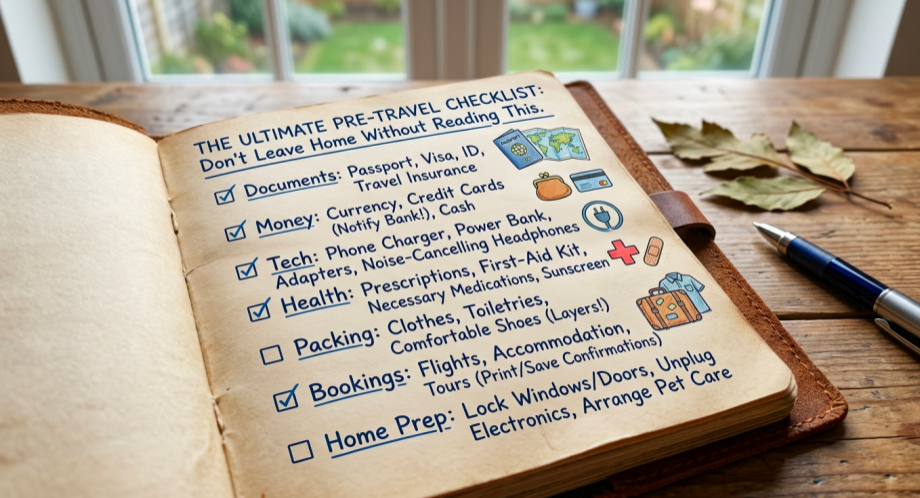
Traveling can be exciting, but a smooth journey always starts long before you reach the airport. A well-prepared pre-travel checklist helps you avoid last-minute stress, forgotten essentials, and unnecessary expenses. Whether you’re traveling for vacation, business, or long-term exploration, this guide covers everything you need before you leave home.
1. Travel Documents & Identification
Before anything else, make sure your documents are valid and easily accessible:
- Passport (check expiration date — many countries require 6+ months validity)
- Visa (if required for your destination)
- National ID or driver’s license
- Travel insurance documents
- Flight tickets and hotel confirmations
It’s also smart to keep digital copies saved in your email or cloud storage in case of emergencies.
2. Financial Preparation
Money issues abroad can quickly become stressful if not planned properly:
- Notify your bank about international travel
- Carry multiple payment options (debit card, credit card, and some cash)
- Understand currency exchange rates
- Keep emergency backup funds separate
A small financial cushion can save you in unexpected situations like delays or lost cards.
3. Health & Safety Essentials
Your health should always be a priority when traveling:
- Required vaccinations or medical certificates
- Prescription medicines with copies of prescriptions
- Basic first-aid kit (pain relievers, bandages, motion sickness tablets)
- Travel insurance covering medical emergencies
If you have dietary restrictions or allergies, carry a translated medical note for safety.
4. Connectivity & Communication
Staying connected while traveling is no longer optional—it’s essential for maps, bookings, and communication.
One of the easiest ways to stay online abroad is using modern eSIM solutions. You can read more about eSIM to understand how it works and why it’s becoming the preferred choice for travelers.
Using digital SIM technology allows you to avoid expensive roaming fees and instantly connect to local networks without swapping physical SIM cards. And, travel solutions from Holafly can further simplify your experience by keeping you connected wherever you go.
5. Packing Essentials
Smart packing can make your journey more comfortable:
- Weather-appropriate clothing
- Comfortable walking shoes
- Universal travel adapter
- Toiletries (in travel-size containers)
- Lightweight backpack or day bag
Tip: Roll your clothes instead of folding them to save space and reduce wrinkles.
6. Electronics & Gadgets
Don’t forget your tech essentials:
- Smartphone and charger
- Power bank
- Headphones or earbuds
- Camera (if needed)
- Laptop/tablet (for work or entertainment)
Make sure all devices are fully charged before departure.
7. Travel Itinerary & Planning
Even spontaneous trips need basic structure:
- Daily travel plan or rough itinerary
- Maps or offline navigation apps
- Local emergency numbers
- Address of your accommodation
Having a plan helps you maximize your time and reduce confusion in unfamiliar places.
8. Final Pre-Departure Check
Before you leave home, double-check:
- Doors and windows are locked
- Appliances are switched off
- Pets are taken care of
- House keys are secure or handed to someone trusted
Conclusion
A well-prepared traveler is a stress-free traveler. By following this pre-travel checklist, you can focus more on enjoying your journey and less on handling unexpected problems. From documents to digital connectivity, every detail matters when planning a successful trip.

Do Breitling Watches Need a Watch Winder? A Complete Owner’s Guide

Why SSD Data Recovery Requires Specialist Expertise: A UK Guide

Abu Dhabi City Tour

Who is Cuppy Enders? The Untold Story of Tommy Shaw’s First Wife

Who Is Sylvia Dale? Learn About The Wife of Johnnie Cochran

Scalable Industrial Solutions with Smart Design Systems & Financial Precision
-
Celebrity8 months ago
Who is Cuppy Enders? The Untold Story of Tommy Shaw’s First Wife
-
Celebrity9 months ago
Who Is Sylvia Dale? Learn About The Wife of Johnnie Cochran
-
 Business5 months ago
Scalable Industrial Solutions with Smart Design Systems & Financial Precision
-
 Celebrity12 months ago
Who Is Yeonmi Park’s Husband? Ex-Husband Ezekiel, Marriage, Divorce & Family Facts and More
-
 Celebrity11 months ago
Happy Dad Net Worth: Owners, Revenue & Brand Value
-
 Technology6 months ago
How System Maintenance Tools Improve Computer Performance and Security
-
 Celebrity12 months ago
Will Sonbuchner Wife: Inside Sonny Side’s Love Life & Private Marriage
-
 Celebrity8 months ago
Meet Max Muñiz: The Son of Jennifer Lopez and Marc Anthony