
Car & Automotives
Can You Negotiate With CarMax? Powerful Truth Behind the No-Haggle System

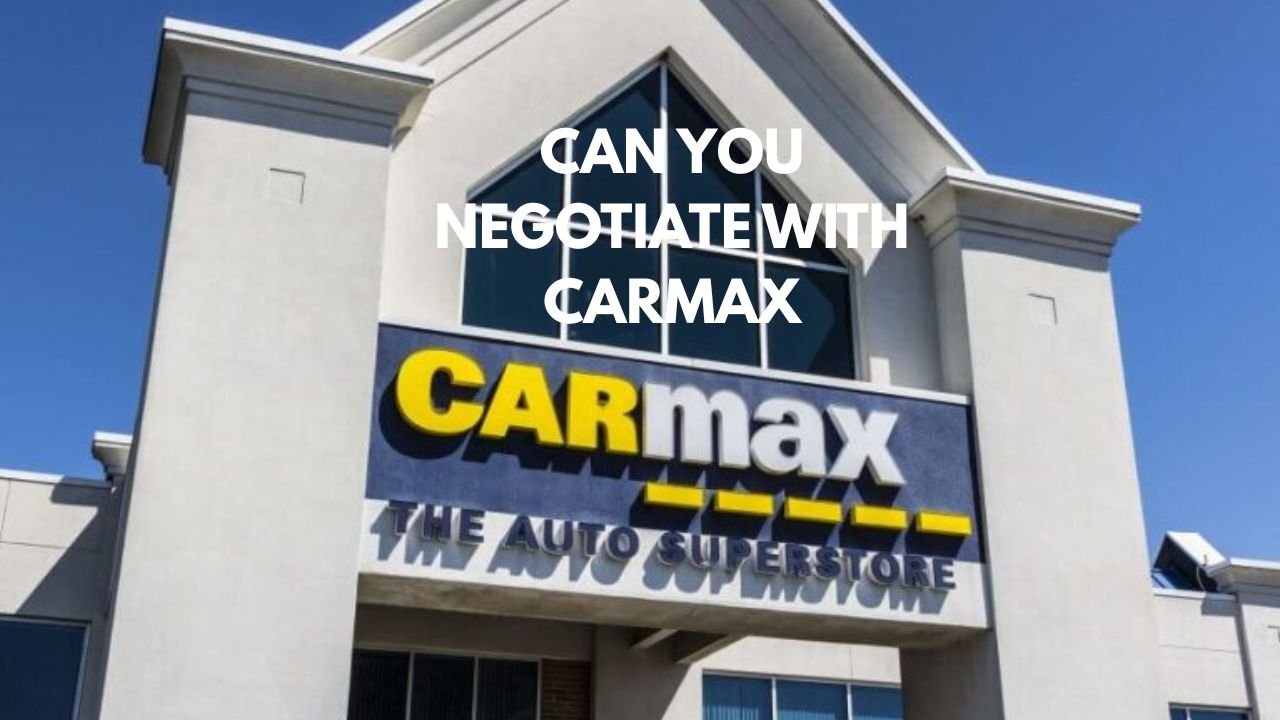
For many shoppers, the question “Can you negotiate with CarMax?” comes up the moment they compare prices with traditional dealerships. CarMax, one of the largest used-car retailers in the United States, operates with a strict no-haggle policy that removes negotiation from the buying and selling process. While this approach may feel unusual to people accustomed to back-and-forth dealership pricing, CarMax maintains that fixed prices create transparency, consistency, and fairness for every buyer and seller. This model relies on data, national market trends, and systems that leave very little room for traditional negotiation, yet smart shoppers can still influence their overall deal in meaningful ways.
Why CarMax Prices Are Non-Negotiable: Inside the Market-Based Algorithm System
CarMax uses a centralized pricing model driven by data rather than the personal judgment of sales managers. Proprietary algorithms evaluate national demand, local market conditions, and live inventory levels to determine the fixed sale price of every vehicle on the lot. This eliminates the traditional dealership negotiation experience and sets the same price for every customer.
The system continually analyzes how long a car has remained unsold. When inventory ages—something that averaged around fifty-seven days in earlier years—the algorithm may automatically trigger price reductions to keep vehicles moving. These changes happen internally rather than through customer negotiation. Some shoppers also notice the “price ending in 7” pattern, such as a vehicle listed at $19,997. This often signals that the car has already reached the final price drop and may soon be sent to wholesale auction if it remains unsold.
CarMax employees do not influence pricing because they earn flat commissions. Whether they sell a vehicle for $12,000 or $40,000, the pay remains the same, which reinforces the company’s no-pressure environment and prevents upselling. This fixed commission structure supports CarMax’s official no-haggle promise and ensures that negotiations never affect the price you see online or in-store.
How Appraisals Work at CarMax: The Back-Door Ways to Influence—Not Negotiate
CarMax’s appraisal process works similarly to the pricing system. Offers are generated through a mix of physical inspection and data-driven valuation tools. The company’s role as one of the largest auction participants in the country affects how vehicles are priced when traded in. If a car is more than six to ten years old or has high mileage, the company typically categorizes it as a wholesale unit, meaning the offer will be based on auction values rather than retail demand.
Although customers cannot negotiate the appraisal number, they can still influence the accuracy of the offer. CarMax encourages customers to ensure that all features are correctly listed, especially premium features such as sunroofs, advanced safety technology, or upgraded audio systems. If an appraiser misses a detail, you can request a re-evaluation, and correcting the information may increase the final offer. This is not negotiation; it is a correction of the internal data used to calculate the offer.
There is also a quiet advantage involving Edmunds. CarMax maintains a financial relationship with Edmunds, and the Edmunds Instant Cash Offer sometimes appears higher than CarMax’s in-store appraisal. Many customers find that if the Edmunds assessment accurately represents the vehicle’s condition, CarMax will match that amount.
Buying From CarMax: Strategies to Lower Your Total Cost Without Breaking the No-Haggle Rule
Because CarMax pricing is algorithmic, the best negotiation strategy is patience. When you track a vehicle over time, you may see it drop in price as it approaches the end of its market cycle. Some price adjustments occur every one to two weeks depending on demand and comparable listings. Savvy buyers often wait for these automated reductions before making a purchase.
Shipping strategies also help you reduce overall cost. CarMax allows customers to transfer vehicles from other locations, though many transfers require a fee ranging from $199 to $999. These fees are usually non-refundable, which is important to consider before initiating a transfer. However, some cars qualify for a no-fee transfer based on distance and regional availability. Searching for similar models in lower-demand regions can uncover cheaper options that meet the same criteria.
Financing provides another area where buyers can create leverage. While CarMax provides financing through multiple partners, these offers may include slight markups compared to outside lenders. If you bring a pre-approved loan from your credit union or bank, CarMax may respond with a more competitive rate to secure your financing business. This process does not break the no-haggle policy because the price remains unchanged, but the total loan cost may improve dramatically.
Customers may also request minor service updates such as tire replacements or brake servicing. Although these requests do not change the sale price, they can enhance the overall value of the purchase and reduce the cost of future repairs.
Selling or Trading in to CarMax: How to Maximize a Non-Negotiable Offer
CarMax purchase offers are firm, but you can still shape the outcome. If you notice that a feature was overlooked or the appraiser incorrectly assessed scratches or cosmetic wear, you can ask for a manager’s review. When the correction is valid, the system recalculates your offer accordingly.
Many sellers also use the CarMax appraisal as a negotiation tool with traditional dealerships. Since CarMax offers remain valid for seven days, the quote becomes a guaranteed minimum value, allowing other dealerships to beat it by five hundred to one thousand dollars to win your trade. This strategy helps you benefit from CarMax’s transparency while still taking advantage of competitive markets where negotiation is allowed.
The connection between CarMax and Edmunds adds another opportunity. If the Edmunds Instant Cash Offer is higher, customers frequently secure a better deal by presenting the Edmunds amount to CarMax, which may match the competing valuation when condition details align.
Buyer and Seller Protections: The Hidden Value Inside CarMax’s Fixed-Price System
While CarMax’s no-haggle model eliminates negotiation, it strengthens buyer confidence through extensive protections. Customers receive a seven to ten-day return policy that allows them to return the car for any reason as long as it remains in the same condition. This return window acts like a pressure-free trial period, uncommon at traditional dealerships.
Every CarMax vehicle undergoes a one hundred twenty-five-point inspection to ensure consistent quality and safety. Along with this inspection, customers benefit from a thirty-day limited warranty that can extend to ninety days depending on state laws. These protections reduce the risks associated with buying a used vehicle and support CarMax’s brand promise of transparency and quality.
Final Thoughts
The answer is simple. You cannot negotiate with CarMax on vehicle prices or trade-in offers. The no-haggle model is central to their business philosophy and applies equally to every customer. However, you can still influence your final deal through timing, financing choices, appraisal corrections, regional searches, and strategic comparisons with platforms like Edmunds. These methods help buyers and sellers achieve better value without ever breaking the rules of CarMax’s pricing system. For anyone who prefers a predictable and pressure-free experience, the CarMax model offers transparency, consistency, and strong protection policies that make up for the absence of negotiation.
FAQs
Does CarMax ever lower prices?
Yes, CarMax reduces prices automatically when vehicles sit on the lot for extended periods. These reductions are triggered by internal market algorithms rather than negotiation.
Can CarMax match competitor offers?
CarMax may match an accurate Edmunds Instant Cash Offer because of its partnership, but it does not negotiate based on traditional dealer bids.
Is it possible to negotiate financing at CarMax?
You cannot negotiate price, but bringing a pre-approved loan may lead CarMax to present a more competitive interest rate.
Will CarMax fix issues before selling a car?
CarMax completes a one hundred twenty-five-point inspection and may address wear items, though major repairs are handled under the warranty period after purchase.
Can the appraisal increase if details were missed?
Yes, if an appraiser overlooks a feature or misjudges condition, a corrected evaluation can increase the offer.
Car & Automotives
What Audi drivers usually change in the summer: the most popular spare parts in the warm season

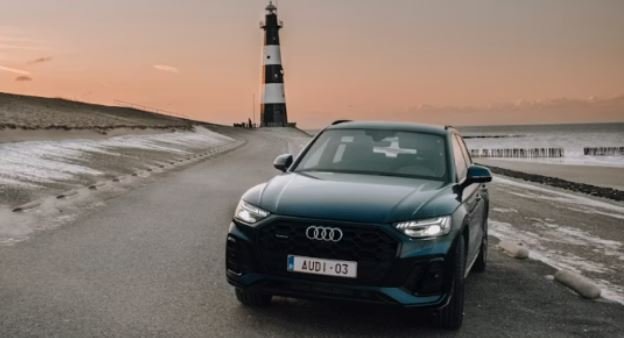
In the summer, demand for Audi parts changes significantly. As the heat rises, water pumps and thermostats are more often sought, and soon the demand for air conditioner and brake parts increases. This is no coincidence. Higher temperatures quickly reveal which parts of the car still work well enough in cooler weather. PartEvo specialists note that during this period, drivers are increasingly choosing high-quality spare parts. Original components often cost much more, although an alternative from a reliable manufacturer performs the same function. For this reason, when looking for Audi parts, it is worth paying attention not only to original products. Especially when repairing a mechanical part of the car.
Cooling system parts
In the summer, the cooling system works harder. The engine heats up faster, the fans run longer in traffic jams, and older seals start to leak fluid. At first, the problem may seem minor. The coolant level simply decreases gradually. Later, an odour or a damp spot develops around the water pump. In some Audi engines, the thermostat housing must also be replaced along with the pump. Plastic gets tired from constant temperature changes. In this case, sealing the old part does not always help, so the entire component is replaced. According to PartEvo specialists, water pumps and thermostats are some of the most commonly selected spare parts in the summer. A product from a reliable manufacturer allows you to save money here, and the difference from the original part is usually more visible in the price than in the performance itself.
Air conditioner parts
Air conditioner malfunctions usually become relevant on the first really hot day. Until then, the system may seem to be in order. Then the car stops in traffic, and the cabin stops cooling. The compressor is often immediately suspected. Not always right. If the air conditioner only cools while driving, the problem may be a faulty fan. The system does not receive sufficient air flow, and its efficiency drops quickly. Sometimes the pressure sensor is to blame. There are simpler ways. However, compressors are often replaced in the summer as well. An original component can be expensive, so a spare part is a more logical solution for drivers. It is important to choose a product from a well-known manufacturer rather than the cheapest option without a clear origin. No one wants to have to repair the air conditioner again after a few months.
Brake and chassis parts
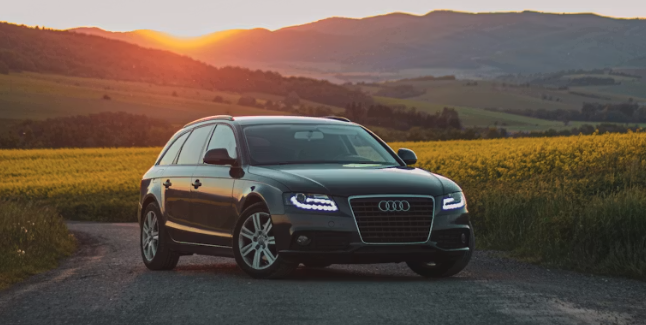
In the warm season, people drive more. This quickly reveals problems with the brakes or the chassis that were not yet very noticeable in the city. Before a long trip, the driver may feel vibration when braking or hear a hum. Sometimes one wheel is much hotter after driving. In this case, replacing the pads is not always enough. The calliper may have started to jam. If the problem is left untreated, the new parts will quickly wear out again. Wheel bearings behave similarly. At first, the sound is weak, but on the highway it becomes constant. Brake discs, pads, bearings or suspension arms are those parts for which an original product is usually not necessary. The supply of spare parts in this area is large. A quality component costs less, but the car’s handling or braking does not worsen.
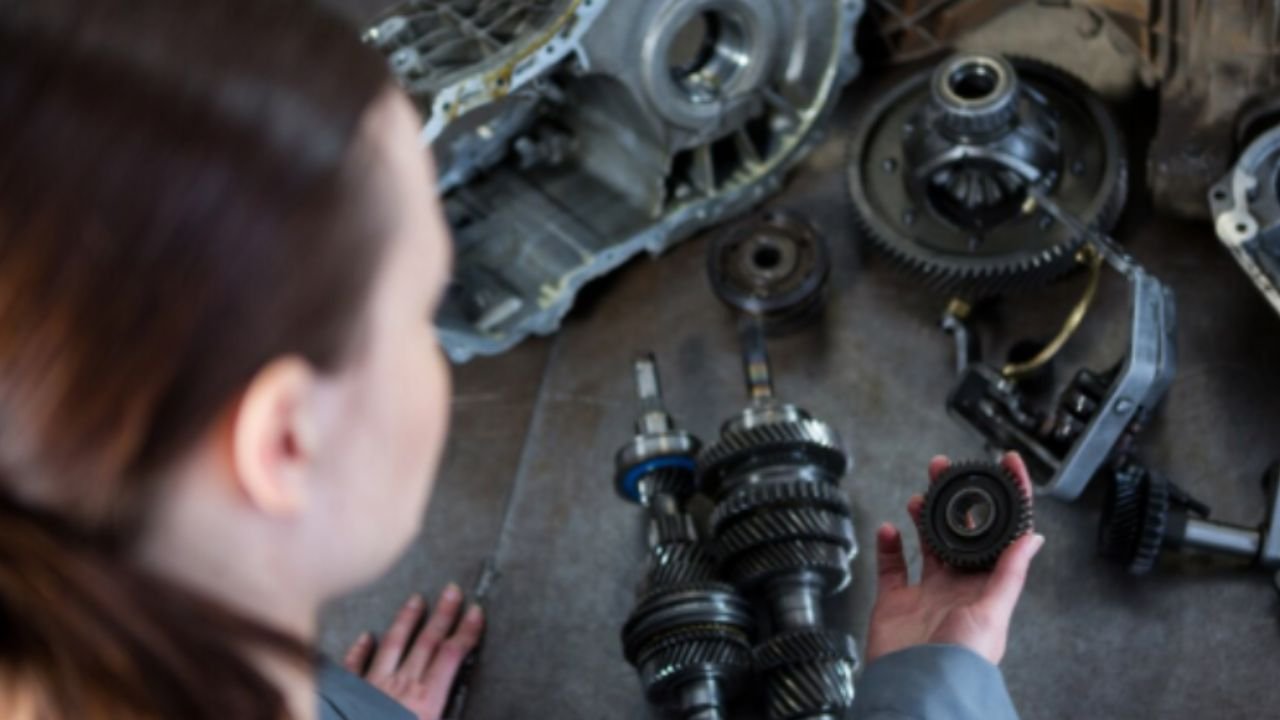
Buying used car parts can save you a lot of cash. It can also help you find rare bits for old cars. But there are also some risks. If you are not careful, you may get scammed. Many buyers rush the deal. They trust advertisements with no proof. They skip key checks, which leads to wrong purchases and higher costs. But worry not. You can avoid this and choose quality used parts without getting scammed. Here are some valuable tips to help you out.
Buy from a Reputable Seller
The first rule is simple: you should buy from a seller you can trust. There are many sites and shops that sell used parts. And a low price may look nice at first, but it can hide a bad deal. The best approach is to look for a seller with good reviews. You must check what past buyers say. If you see many bad notes, walk away. Moreover, you must check whether the seller provides full information. A good seller will list the part code, make, and use time. They will not hide key facts.
A known site like PartHunt24 can be a good place to start. It helps you find used car parts from real and verified sellers. This cuts the risk of fraud. You should try to talk to the seller if you can and ask clear questions. A real seller will give clear and fast replies.
Verify Compatibility
A used car part may look right, but it may not work with your car. This can lead to a big issue. Your car won’t start or may not run well. Keep in mind that each car has its own specifications. Even two cars of the same brand may need different parts if their years or models differ.
A good fit means less risk and less cost later. Therefore, you must check the part code before buying the car part and match it with your car manual. You can also ask a mechanic for help. Do not trust looks alone. Size and shape can fool you. Moreover, you must check the car make, model, and year. Make sure everything matches the part information. And if you buy online, ask for full specifications. Do not rely on one-line text.
Inspect for Damage
Used parts are not new, and a little damage to them is fine. But too much wear is a bad sign, and using these parts can damage your car. If you can, visit the store and inspect the part carefully. Look for cracks, rust, or bent sides. Also, check all joints and edges. Make sure all bits are in place. Do not rush this step. A quick check can save you from a big loss.
If you buy online, ask for clear pictures and close shots. A good seller will not hide flaws. They will show all sides of the part. You should also ask them how long the part has been used. Keep in mind that the part with less use is a better option.
Car & Automotives
When Your Car Won’t Start But All The Lights Come On: Complete Guide to Causes, Fixes, and Modern Diagnostics
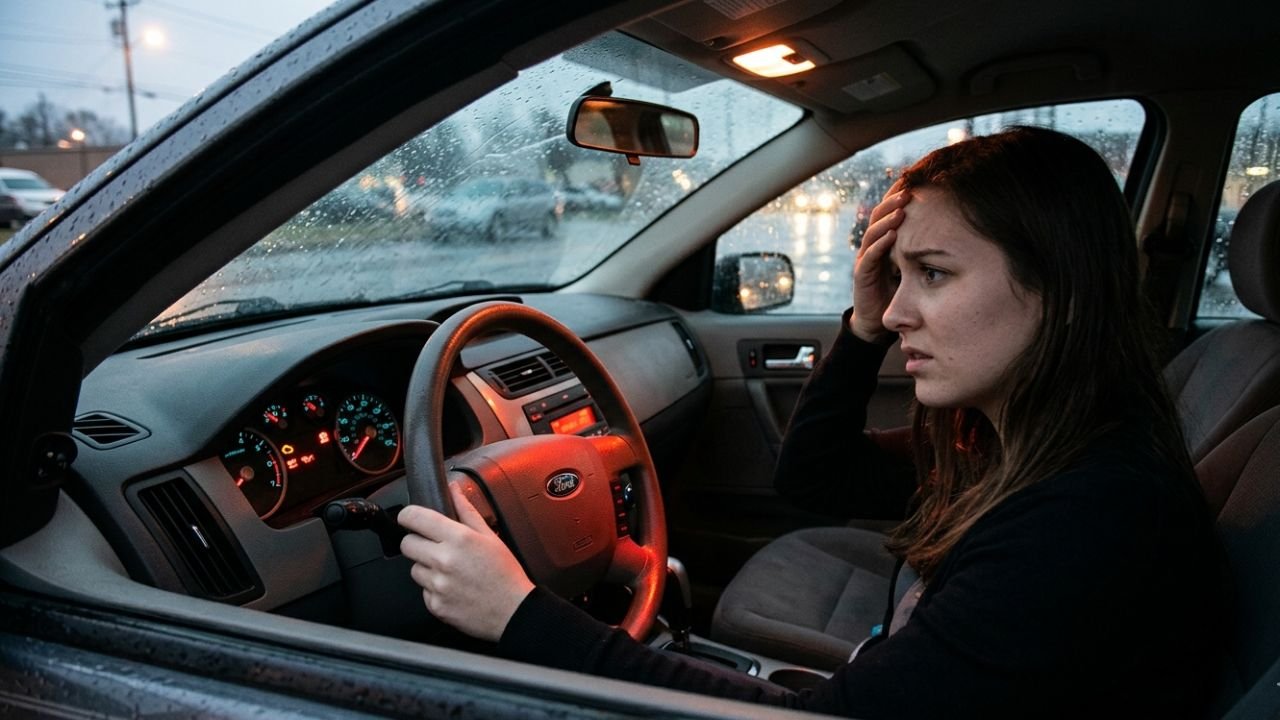
When your car won’t start but all the lights come on, it can feel confusing and frustrating. The dashboard lights glow, the radio works, and everything seems normal, yet the engine refuses to start. This issue is very common and usually points to a problem in the starting system rather than a total power failure. Understanding why this happens can save you time, money, and stress.
Summary
| Category | Key Details |
|---|---|
| Main Problem | Car has electrical power (lights, radio, dashboard) but engine will not start |
| Most Common Cause | Weak or failing battery that cannot supply enough amperage |
| Battery Facts | Healthy battery: ~12.6V; Below 12.2V: weak; Below 10V during crank: faulty |
| Power Difference | Lights use 5–10 amps; starter needs 100–350+ amps (20–50x more power) |
| Rapid Clicking | Weak battery, corroded terminals, poor ground connection |
| Single Click | Faulty starter motor or worn starter solenoid |
| No Sound | Immobilizer issue, ignition switch failure, neutral safety switch, blown fuse |
| Cranks but Won’t Start | Fuel pump issue, spark plugs, ignition failure, sensor problem |
| Key Components | Battery, starter motor, starter solenoid, grounding harness, alternator |
| Important Sensors | Crankshaft position sensor, camshaft sensor, brake sensor, clutch sensor |
| Modern Systems | ECM, ECU, BCM, immobilizer system, RFID key fob |
| Diesel Issue | Empty AdBlue tank can cause no-start lockout |
| Simple Fixes | Check gear position, clutch, key fob battery, steering lock |
| Quick Test | Headlights dim when starting = weak battery |
| Jump-Start Result | If it starts → battery issue; if not → starter or electrical fault |
| Weather Impact | Cold reduces battery power; heat causes long-term battery damage |
| Starter Lifespan | Typically 100,000 to 150,000 miles |
| When to Call Help | Burning smell, flickering lights, repeated failure to start |
Why Lights Work but Engine Does Not?
The main reason behind this problem is the difference between low power and high power systems in your car. Lights, dashboard displays, and radios require only about 5 to 10 amps of electricity. However, the starter motor needs a huge surge of power, often between 100 to 350 amps, and sometimes even 250 to 500 amps. This means your battery may still have enough voltage, around 12.6V, to run lights but not enough strength to turn the engine.
This gap between voltage and amperage is critical. Voltage is like pressure, while amperage is the actual flow. A weak battery may show normal voltage but fail under load when starting the engine.
Listen to the Sound First
The sound your car makes when you try to start it gives the biggest clue. If you hear rapid clicking, it usually means the battery is weak or there is a poor electrical connection. A single loud click often points to a faulty starter motor or a worn starter solenoid. If there is complete silence, the issue may involve the ignition switch, immobilizer system, or a neutral safety switch.
If the engine cranks but does not fire, the problem is likely related to the fuel system or ignition system. This can include a bad fuel pump, worn spark plugs, or a failing crankshaft position sensor or camshaft position sensor. In some cases, a whirring sound may indicate damage to the flywheel or ring gear.
Check Simple Things First
Before diving into complex repairs, always check the basics. Make sure the car is fully in Park or Neutral if it is automatic. For manual cars, press the clutch pedal completely. Sometimes, shifting from Park to Neutral and trying again can solve the issue if the neutral safety switch is faulty.
If the key will not turn, the steering lock may be stuck. Gently moving the steering wheel while turning the key can help. In push-button start cars, a weak key fob battery may cause a “Key Not Detected” message. Holding the key fob close to the start button can allow the immobilizer antenna to read the RFID chip inside the fob.
Battery and Terminal Issues
The battery is the most common cause of this problem. Even if the lights work, the battery may not have enough power to crank the engine. Check the battery terminals for corrosion, which often appears as white or green powder. Corrosion can block the high current needed for starting.
Make sure the battery cables are tight and secure. A loose connection can allow small currents for lights but fail when high power is required. The grounding harness is also important, as it completes the electrical circuit. If it is damaged or corroded, the starter motor will not receive enough current.
Test Battery and Try Jump-Start
Testing the battery with a multimeter gives clear answers. A healthy battery should read around 12.6 volts when the car is off. If the reading drops below 12.2 volts, the battery is significantly discharged. During a crank test, if the voltage falls below 10 volts, the battery is likely faulty.
A jump-start is one of the fastest ways to confirm a battery issue. If the car starts after a jump, the battery is the main problem. If it does not start, the issue may lie with the starter motor, fuses, relays, or control modules.
Starter and Electrical Components
The starter motor and starter solenoid play a key role in starting the engine. The starter motor physically turns the engine, while the solenoid acts as a switch and connects the starter gear to the flywheel. If either of these parts fails, the engine will not crank.
Fuses and relays are also important. The starter fuse, ignition fuse, and fuel pump fuse must be checked. A blown fuse can stop the starting process completely. Fusible links near the battery act as heavy-duty fuses and may melt during a major electrical fault.
Starter motors usually last between 100,000 and 150,000 miles, but frequent stop-start driving can wear them out faster.
Modern Car Technology Issues
In modern vehicles from 2025 and 2026, starting the engine is no longer just mechanical. Systems like the Engine Control Module and Body Control Module must approve the start process. These modules rely on signals from sensors and security systems.
The immobilizer system is one of the most common modern causes of no-start issues. It uses a digital handshake between the key fob and the car’s computer. If the RFID chip is not recognized, the engine will not start. This system has reduced car theft by about 40 percent, but it can also create problems for drivers.
Sensors such as the crankshaft position sensor and camshaft position sensor are also critical. If these sensors fail, the engine may crank but never start, or the system may block the start entirely to prevent damage.
Fuel System and Diesel Lockouts
If your car cranks but does not fire, the issue may be related to the fuel system. A failing fuel pump may not deliver fuel to the engine. Normally, you should hear a short humming sound when you turn the key to the On position. If this sound is missing, the fuel pump or relay could be faulty.
In modern diesel vehicles, the AdBlue system can also prevent starting. If the AdBlue tank is empty, the car may lock itself and refuse to start. This is part of emissions control rules and may require refilling and sometimes resetting by a technician.
Weather and Environmental Effects
Temperature plays a big role in battery performance. At 0°C, a battery can lose up to 20 to 33 percent of its power. At -20°C, it may have only about 40 percent of its normal capacity. Cold weather makes engine oil thicker, increasing the effort needed to start the engine.
Heat also damages batteries over time. High temperatures cause internal corrosion and fluid loss, weakening the battery. This damage often shows up later during colder weather.
When to Get Professional Help
Some signs mean you should stop trying and call a professional. If you notice rapid dashboard flickering, or smell burning rubber or plastic, continuing to start the car can cause serious damage. In such cases, it is best to seek help from services like AAA, Pep Boys Roadside, or mobile mechanic platforms such as Wrench, AutoNation Mobile Service, Auto Monkey, and YourMechanic. You can also find certified repair shops through ASE Repair Shop Finder.
Conclusion
When your car won’t start but all the lights come on, the issue usually comes down to power delivery rather than total power loss. The battery, starter system, and modern control modules all play a role. By checking the sound, testing the battery, and understanding how modern systems work, you can quickly narrow down the problem. In many cases, it is a simple fix like a weak battery or loose connection, but in modern vehicles, software and sensor issues can also be responsible. Understanding these causes helps you take the right action and get back on the road faster.
FAQs
Why does my car have power but won’t start?
Your car can still power lights and electronics because they use very little electricity. However, starting the engine requires a large surge of power. If the battery is weak or there is a problem with the starter system, the engine will not start even though everything else works.
What does rapid clicking mean when starting a car?
Rapid clicking usually means the battery does not have enough power to keep the starter engaged. It can also happen due to corroded battery terminals or a poor ground connection.
Why is there a single click but no start?
A single loud click often points to a faulty starter motor or a worn starter solenoid. It means the system is trying to engage but cannot complete the process.
What should I check first when my car won’t start but lights work?
Start with simple checks like making sure the car is in Park or Neutral, the clutch is fully pressed, and the battery terminals are clean and tight. These basic checks can often solve the issue quickly.
Can a bad battery still power lights but not start the car?
Yes, this is very common. A weak battery may still have enough voltage to power lights but not enough amperage to turn the engine.
How do I know if my starter motor is bad?
If you hear a single click or no sound at all and the battery is good, the starter motor may be faulty. In some cases, tapping the starter lightly can temporarily make it work.
Can a key fob or immobilizer stop my car from starting?
Yes, modern cars use an immobilizer system that requires a signal from the key fob. If the car cannot detect the key’s RFID chip, it may block the engine from starting completely.
When should I call a professional mechanic or roadside service?
You should call for help if you notice burning smells, rapid dashboard flickering, or repeated failure after trying basic checks. Services like AAA or Wrench can diagnose and fix the problem quickly.

Do Breitling Watches Need a Watch Winder? A Complete Owner’s Guide

Why SSD Data Recovery Requires Specialist Expertise: A UK Guide

Abu Dhabi City Tour

Who is Cuppy Enders? The Untold Story of Tommy Shaw’s First Wife

Who Is Sylvia Dale? Learn About The Wife of Johnnie Cochran

Scalable Industrial Solutions with Smart Design Systems & Financial Precision
-
Celebrity8 months ago
Who is Cuppy Enders? The Untold Story of Tommy Shaw’s First Wife
-
Celebrity9 months ago
Who Is Sylvia Dale? Learn About The Wife of Johnnie Cochran
-
 Business5 months ago
Scalable Industrial Solutions with Smart Design Systems & Financial Precision
-
 Celebrity12 months ago
Who Is Yeonmi Park’s Husband? Ex-Husband Ezekiel, Marriage, Divorce & Family Facts and More
-
 Celebrity11 months ago
Happy Dad Net Worth: Owners, Revenue & Brand Value
-
 Technology6 months ago
How System Maintenance Tools Improve Computer Performance and Security
-
 Celebrity12 months ago
Will Sonbuchner Wife: Inside Sonny Side’s Love Life & Private Marriage
-
 Celebrity8 months ago
Meet Max Muñiz: The Son of Jennifer Lopez and Marc Anthony