

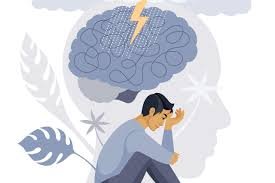
For generations, depression has been misunderstood. People struggling with it have often been told to “snap out of it,” “stay positive,” or “be stronger.” These phrases, though sometimes well-intentioned, reveal a persistent myth: that depression is a personal weakness rather than a legitimate health condition. In reality, depression is a complex and deeply rooted disorder influenced by biology, psychology, and environment. It is not a character flaw, a lack of willpower, or a failure of resilience.
Understanding depression for what it truly is can help dismantle stigma, encourage compassion, and promote effective support.
What Depression Really Is
Depression is more than sadness. Sadness is a temporary emotional response to disappointment, loss, or hardship. Depression, by contrast, is persistent and pervasive. It can last weeks, months, or longer, and it affects how a person thinks, feels, and functions.
Clinically known as Major Depressive Disorder (MDD), depression involves symptoms such as:
- Persistent low mood
- Loss of interest or pleasure in activities
- Fatigue or lack of energy
- Changes in sleep or appetite
- Difficulty concentrating
- Feelings of worthlessness or excessive guilt
- Thoughts of death or suicide
These symptoms are not simply choices or attitudes. They are linked to measurable changes in brain chemistry, neural activity, and stress response systems.
The Biological Reality of Depression
One of the clearest reasons depression is not weakness is that it has biological foundations.
Neurotransmitters such as serotonin, dopamine, and norepinephrine play crucial roles in mood regulation. In individuals with depression, these chemical systems often function differently. Brain imaging studies have also shown altered activity in areas responsible for emotion regulation, motivation, and decision-making.
The amygdala, which processes emotional responses, can become overactive. The prefrontal cortex, which helps regulate emotions and control impulses, may show reduced activity. This imbalance makes negative emotions more intense and harder to manage.
Additionally, chronic stress increases cortisol levels. Prolonged exposure to high cortisol can shrink the hippocampus, a region involved in memory and emotional control. These changes are physical—not imagined—and they affect how a person experiences the world.
Genetics also play a role. Individuals with a family history of depression have a higher risk of developing it themselves. While genes do not guarantee depression, they can increase vulnerability.
All of this evidence underscores a crucial point: depression is a medical condition involving brain function. It is not a moral failure.
The Psychological and Environmental Factors
Depression does not arise from biology alone. Life experiences shape mental health in profound ways.
Trauma, chronic stress, grief, social isolation, and financial hardship can all contribute to depressive episodes. Negative thinking patterns, often shaped by early experiences, can also maintain or deepen depression.
For example, someone who consistently interprets setbacks as personal failures may be more vulnerable to prolonged low mood. However, these cognitive patterns are not signs of weakness. They are learned responses, often developed as coping mechanisms in difficult environments.
Social factors matter as well. Loneliness, discrimination, lack of community support, and unstable living conditions increase the risk of depression. The World Health Organization recognizes depression as a leading cause of disability worldwide—not because people are weak, but because complex pressures affect mental health globally.
Why the “Weakness” Myth Persists
If depression has such clear biological and psychological foundations, why does stigma persist?
One reason is that mental illness is invisible. Unlike a broken bone or visible injury, depression cannot be seen on the outside. People may appear functional while struggling internally. This invisibility leads some to assume that the problem is exaggerated or controllable.
Another factor is cultural emphasis on productivity and resilience. Many societies value toughness and emotional control. When someone cannot “push through” exhaustion or hopelessness, it is sometimes interpreted as laziness rather than illness.
But pushing through depression is not always possible. The condition often robs individuals of motivation, concentration, and physical energy. Telling someone with depression to simply try harder is like telling someone with asthma to breathe harder during an attack.
The Energy Paradox of Depression
One of the most misunderstood aspects of depression is the energy paradox. From the outside, someone with depression may seem inactive or withdrawn. Internally, however, they are often expending enormous energy just to function.
Basic tasks—getting out of bed, showering, responding to messages—can feel overwhelming. Decision-making becomes mentally exhausting. Even pleasurable activities may feel empty due to changes in dopamine pathways, which regulate reward and motivation.
The reduced activity is not laziness; it is a symptom. Recognizing this distinction is key to fostering empathy.
Strength in Seeking Help
Another myth suggests that seeking help for depression is a sign of weakness. In truth, it requires courage.
Therapy, particularly approaches like Cognitive Behavioral Therapy (CBT), helps individuals identify and challenge negative thought patterns. Medication, such as selective serotonin reuptake inhibitors (SSRIs), can help regulate neurotransmitter imbalances. Lifestyle interventions—exercise, improved sleep, and social connection—also play supportive roles.
Treatment does not imply personal failure. It reflects a commitment to health.
In fact, untreated depression often worsens over time. Early intervention improves outcomes significantly. Reaching out for support—whether to a professional, friend, or family member—is an act of self-preservation.
The Impact of Stigma
Labeling depression as weakness can have serious consequences. Shame discourages people from speaking openly about their struggles. Fear of judgment may prevent them from seeking treatment.
Stigma also isolates individuals, reinforcing feelings of worthlessness and hopelessness. When society dismisses depression, it compounds suffering.
Education reduces stigma. When people understand depression as a health condition influenced by brain function and life circumstances, compassion replaces blame.
Recovery Is Not Linear
Understanding depression also means recognizing that recovery rarely follows a straight path. There may be improvements followed by setbacks. This does not indicate failure. Mental health fluctuates, and healing takes time.
Small steps—attending therapy sessions, establishing daily routines, reconnecting with supportive people—gradually rebuild stability. Progress may be slow, but it is meaningful.
Just as physical rehabilitation requires patience, so does mental health recovery.
Supporting Someone With Depression
If someone you know is struggling, the most powerful response is empathy.
Avoid minimizing their feelings or offering quick fixes. Instead:
- Listen without judgment.
- Validate their experience.
- Encourage professional help if needed.
- Offer practical support, such as helping with daily tasks.
Often, simply saying, “I’m here for you,” can make a difference.
Redefining Strength
True strength is not the absence of struggle. It is the willingness to confront challenges, even when they are invisible to others.
Living with depression requires resilience. Getting out of bed on difficult days requires strength. Seeking treatment requires bravery. Continuing forward despite emotional pain requires courage.
Depression is not weakness. It is a condition that affects millions of people across cultures, professions, and personalities. It does not discriminate by intelligence, success, or character.
When we replace judgment with understanding, we create space for healing. By recognizing depression as a legitimate health condition—rooted in biology, influenced by life experiences, and responsive to treatment—we move closer to a society that supports mental well-being rather than shaming it.
Compassion, education, and open dialogue are powerful tools. And with them, we can challenge the myth once and for all: depression is not weakness. It is a human experience that deserves care, respect, and proper treatment.
