

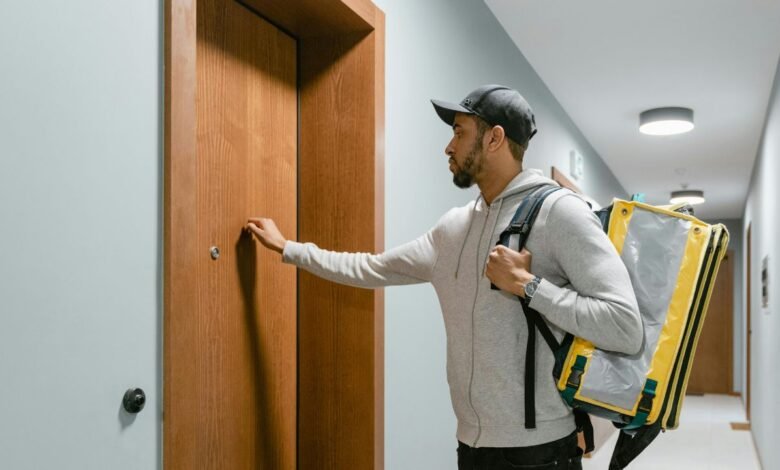
Modern convenience services, including ride-sharing, food delivery, home repairs, and short-term rentals, have transformed everyday access. These platforms emphasize speed, flexibility, and ease, changing how people solve daily needs. However, this shift blurs long-standing boundaries of legal responsibility and accountability.
Liability and duty of care now extend beyond individuals to companies, contractors, and digital intermediaries. When incidents occur, determining who is responsible becomes more complex and contested. Understanding these evolving models helps consumers, businesses, and policymakers navigate disputes in an on-demand economy with greater confidence.
In this article, we’ll explore how the very architecture of modern convenience services has fundamentally altered the nature of legal responsibility.
The Rise of Convenience Services in Everyday Life
The past decade has seen rapid growth in convenience services, reshaping everyday life. What began as niche solutions now form an essential ecosystem embedded in daily routines. Food delivery, ride-sharing, and fast e-commerce optimize time and effort. This shift reflects changing expectations in a fast-paced world.
Mordor Intelligence also reports strong growth in the online food delivery market. Its size is projected to reach $284.73 billion by 2026 and expand to $468.51 billion by 2031. With a CAGR of 10.47%, the data reflects deep consumer reliance and shifting daily habits.
Shifting Responsibility Between Companies and Users
As convenience services expand, legal responsibility increasingly shifts between platform companies and individual users. Many businesses classify themselves as intermediaries rather than service providers, transferring liability to independent contractors or end users through terms of service. This approach complicates accountability when accidents, data breaches, or service failures occur.
The gig economy’s expansion complicates liability, as 2025 ADP Research shows one in four workers now engage in such roles annually. This shift creates uneven financial stability, with independent contractors earning $25 hourly while temporary staff receive just $15. Such fragmentation makes it harder for users to identify who holds legal responsibility.
Safety Concerns and Legal Accountability in On-Demand Services
Safety incidents within on-demand services raise complex questions about who holds legal responsibility: the platform, the service provider, or the user. When harm occurs, companies often rely on contractor status and user agreements to limit liability. Victims, however, argue that platforms control access, screening, and safety standards.
High-profile cases have exposed gaps in background checks, incident reporting, and real-time monitoring. The Uber sexual assault lawsuit, for example, underscores how rapid growth can outpace effective safeguards.
TorHoerman Law notes that Uber reports show over 10,000 sexual assault reports between 2017 and 2020. The Uber sexual assault lawsuit addresses these incidents. It alleges negligence in protecting passengers.
This case exposes gaps in oversight and accountability within convenience platforms. Victims may seek guidance from an Uber sexual assault lawyer to understand their legal options. These lawsuits underscore the need for stronger user protections, clearer liability standards, and proactive safety measures across on-demand services.
The Expanding Role of Law in Regulating Digital Platforms
As digital convenience platforms expand, the law increasingly defines accountability and consumer protection. Governments are introducing regulations on data privacy, worker classification, and safety standards. Courts are also clarifying platform liability as digital services reshape traditional legal frameworks.
These legal frameworks aim to close gaps created by laws built for traditional service models. Expanding oversight signals a shift toward greater platform responsibility. This approach balances innovation with public safety, accountability, and clearer legal standards.
The European Parliament reports that 93% of platform workers are classified as self-employed, though five million may be misclassified. This gig economy structure often leaves workers with minimal protections. Consequently, the EU is implementing regulations to ensure these individuals gain essential legal safeguards.
What Consumers Should Know About Their Legal Rights
As convenience services become part of daily life, understanding legal rights is essential. While platforms use terms of service to limit liability, consumer protection laws preserve unalienable rights. These include the right to safety and the right to redressal. Together, they ensure protection from harm and access to compensation.
In the event of a safety incident, consumers should know that many platforms now face stricter vetting rules. New algorithmic transparency laws also allow users to question automated decisions. Understanding how safety scores or fees are calculated matters. Documenting incidents and using internal dispute channels supports escalation if needed.
How Legal Responsibility May Continue to Evolve
Legal responsibility surrounding convenience services is expected to evolve alongside technology, consumer expectations, and regulatory pressure. As platforms adopt AI, biometric verification, and real-time monitoring, courts may assign greater responsibility to companies capable of preventing harm. Policymakers are also exploring clearer standards for platform liability and worker protections.
As shopping agents negotiate deals and automate purchases, “agentic liability” becomes a critical concern. Forbes notes that ChatGPT shopping referrals have surged 7x, with 60% of consumers willing to delegate routine tasks to AI. This shift necessitates new legal frameworks to determine responsibility when these autonomous agents make errors.
Frequently Asked Questions
How can users protect themselves when using app-based services?
Users can protect themselves by reviewing platform safety features, understanding terms of service, and using in-app reporting tools. Verifying provider profiles, sharing trip details with trusted contacts, and documenting incidents promptly also reduce risk. Staying informed about consumer rights strengthens personal safety and legal preparedness.
Are service providers responsible for third-party contractors?
Service providers may be responsible for third-party contractors when they control hiring, pricing, safety, or service delivery. Although platforms often deny liability, courts examine real operational control. This approach increasingly holds companies accountable for negligence and consumer protection cases.
What should users do after a serious incident involving a digital service?
After a serious incident, users should seek immediate medical or emergency assistance. They should report the incident through the platform and preserve evidence like messages and receipts. Documenting details and consulting a qualified legal professional helps protect rights and clarify next steps.
Redefining Accountability in a Convenience-Driven World
Modern convenience services have changed how people live and work in profound ways. They have also reshaped traditional ideas of legal responsibility. As platforms mediate more daily activities, questions of liability and safety become increasingly complex. Evolving laws and landmark cases continue to redefine accountability.
Informed consumers help balance innovation with protection, ensuring convenience does not undermine responsibility or justice.
